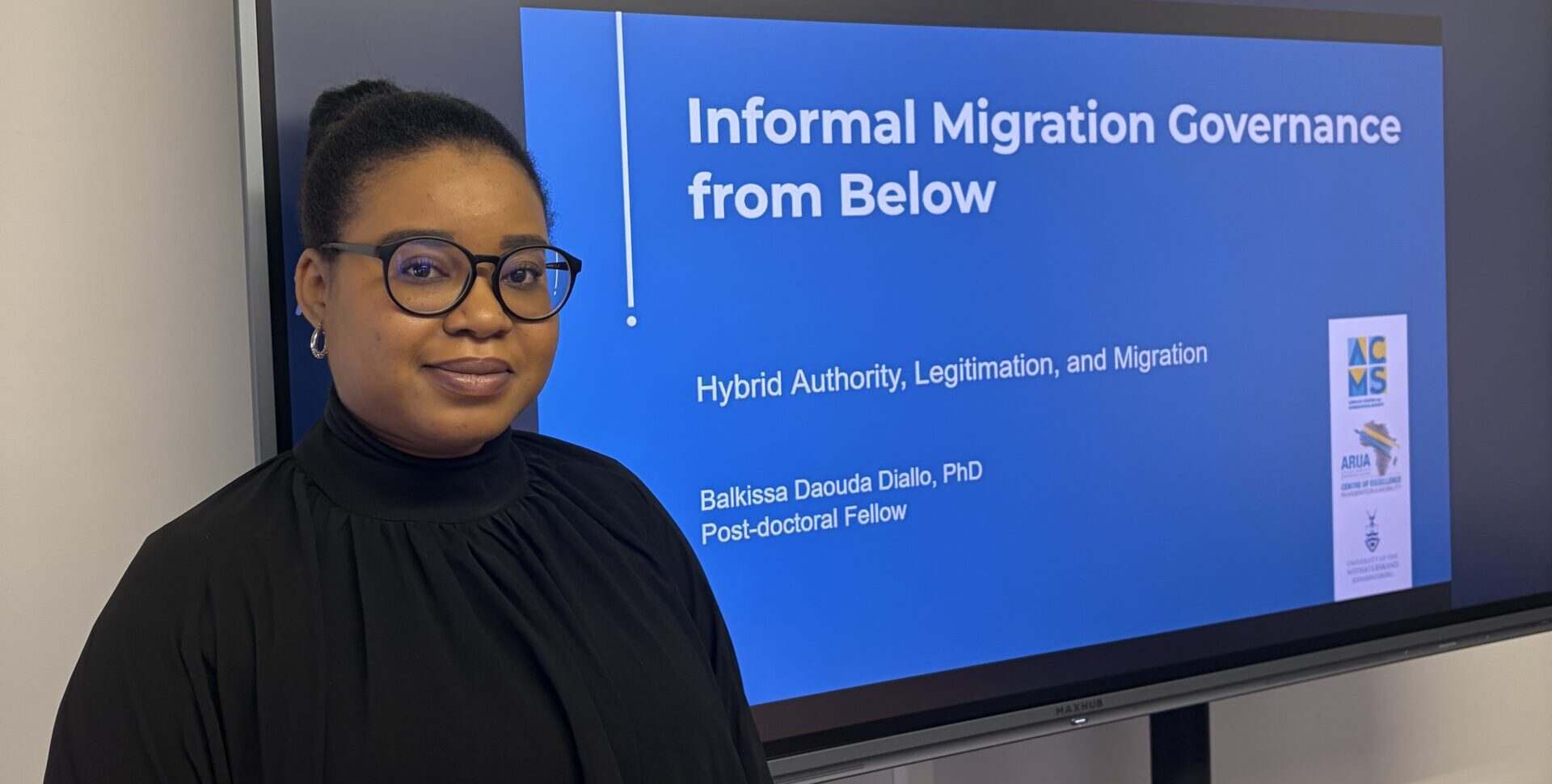
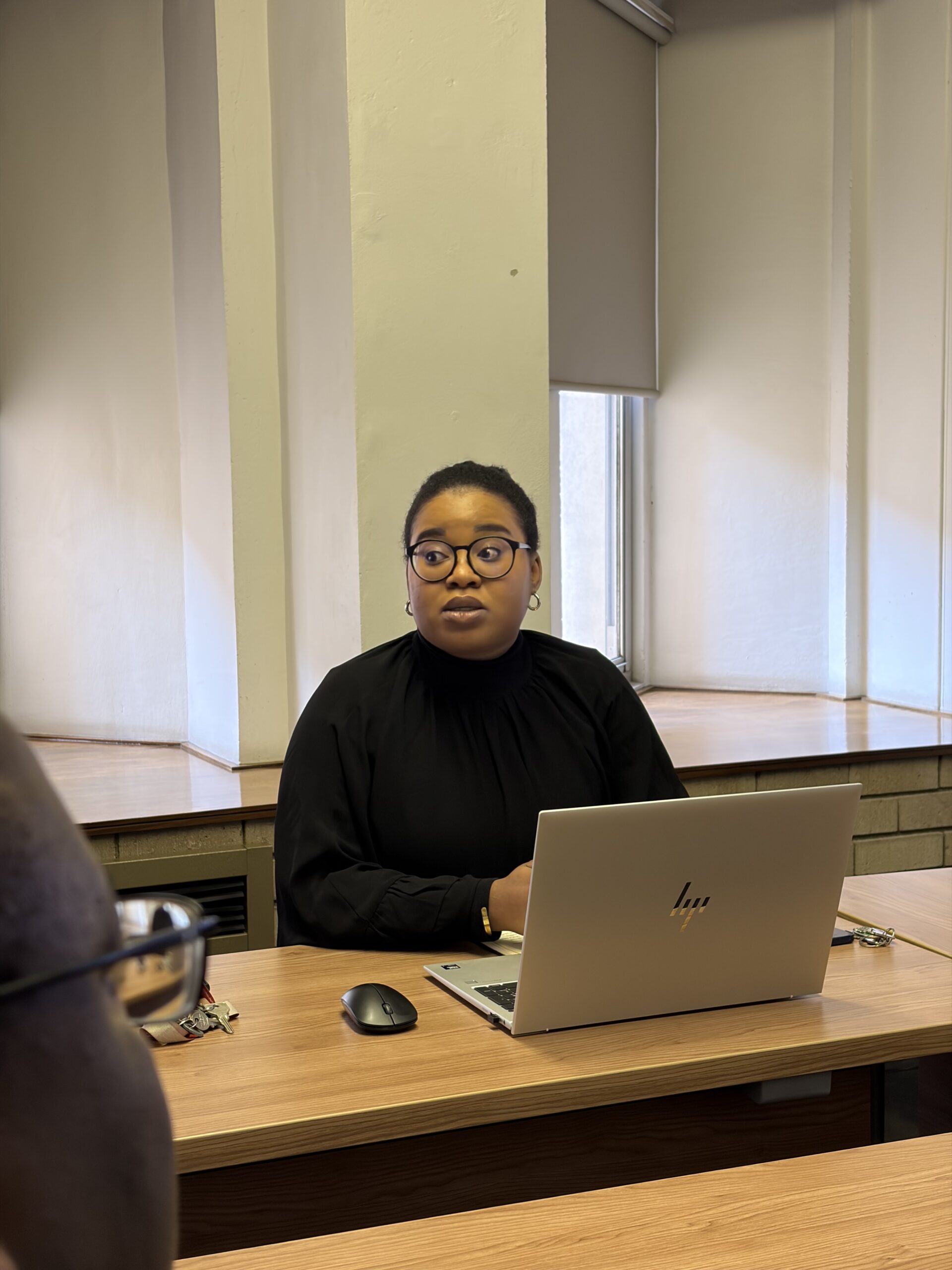
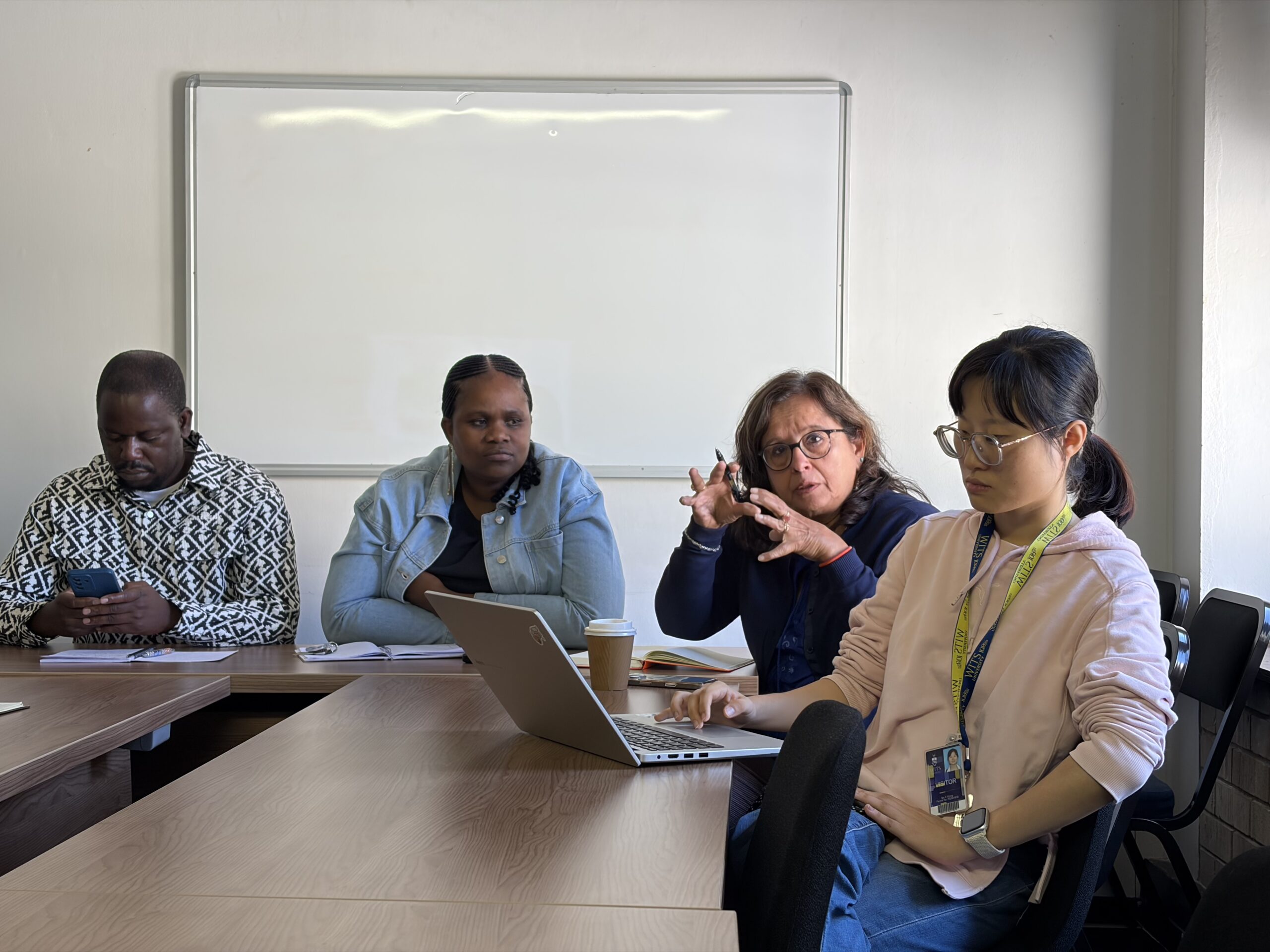
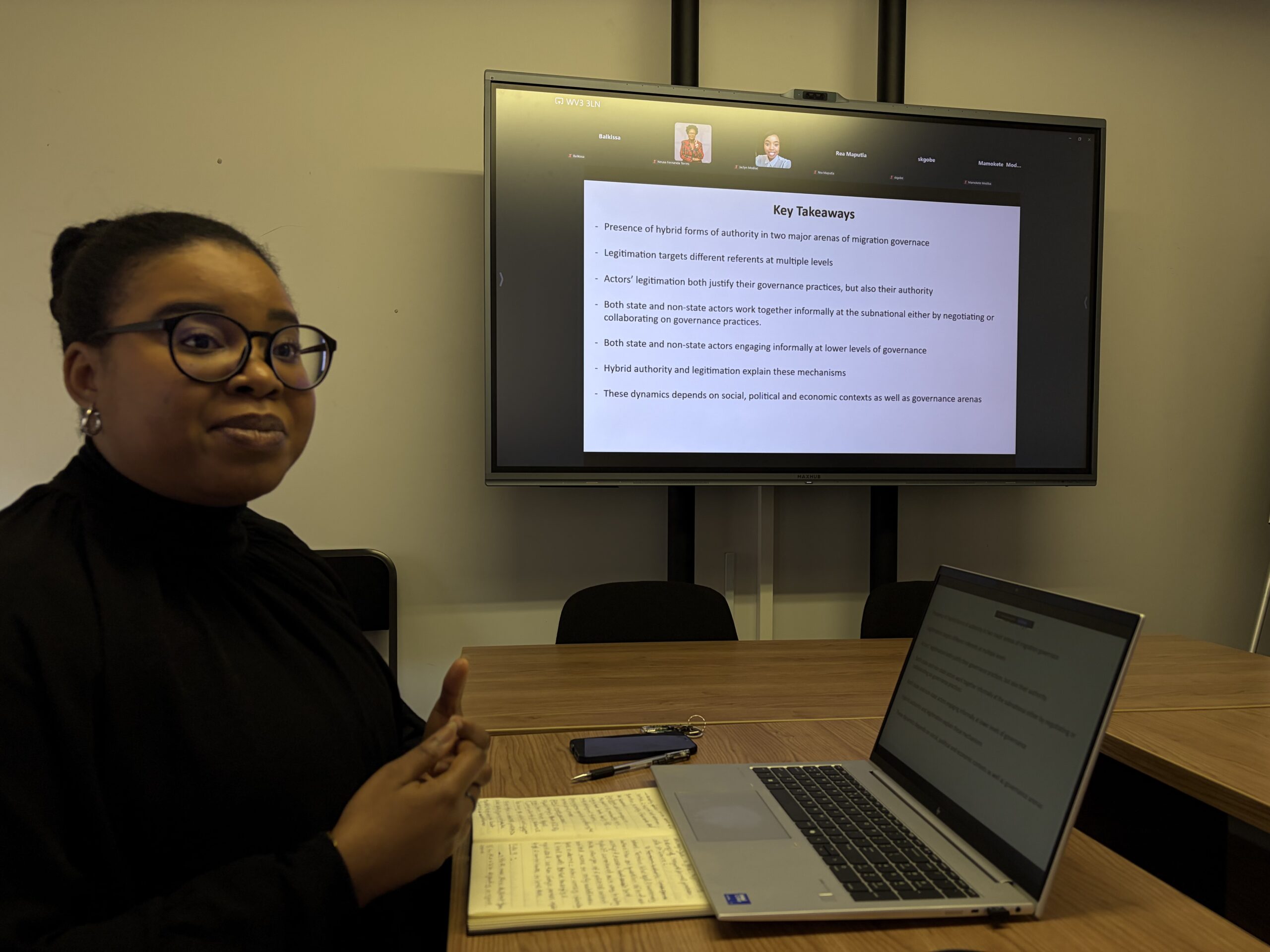
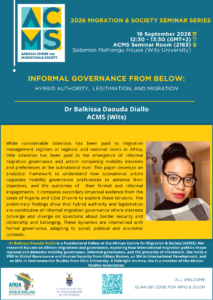
Dr. Balkissa Daouda Diallo (Postdoctoral Fellow, African Centre for Migration & Society) presented her research on the emergence of informal migration governance and competing mobility interests at the subnational level in Africa.
Drawing on comparative evidence from Nigeria and Côte d’Ivoire, the seminar developed an analytical framework to understand how subnational actors negotiate mobility governance preferences, and the outcomes of their formal and informal engagements.
Key insights from the discussion:
- Decentering migration scholarship: The research calls for moving beyond state actors and legal documents as units of analysis, focusing instead on how migration governance operates beyond the state.
- The disconnect: There is a gap between high-level processes and lower-level realities, with informal governance filling the space.
- Hybrid authority: The state is never alone in the governance sphere. Legitimacy operates at different levels, and hybrid authority explains these mechanisms.
- Border security and citizenship: These emerged as heavily contested governance arenas in both countries. Citizenship became linked to land ownership in Côte d’Ivoire, where negotiations at the subnational level give migrants informal belonging.
- Colonial legacies: The history of colonialism, trade, and citizenship linked to land continues to shape these contestations.
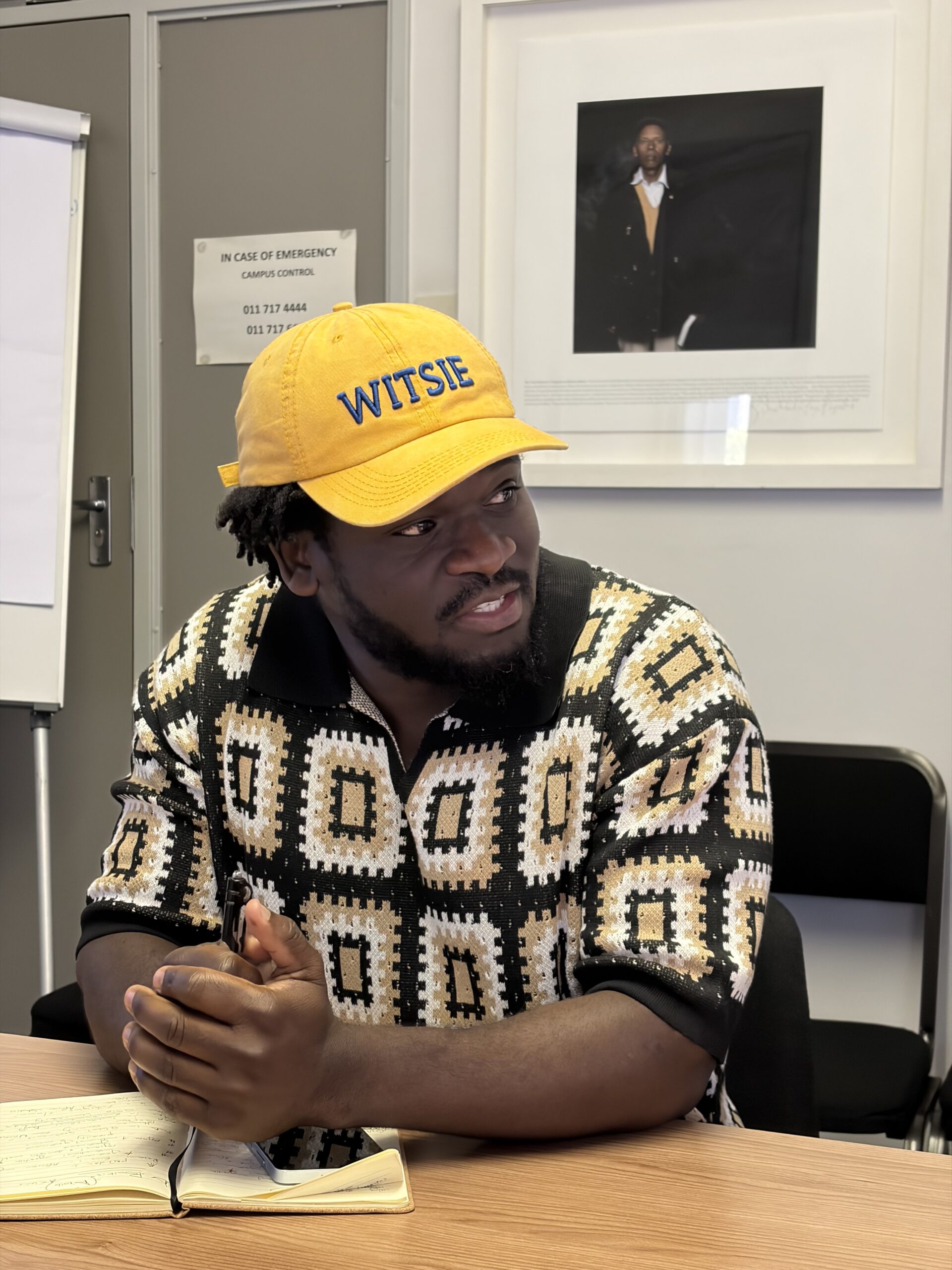
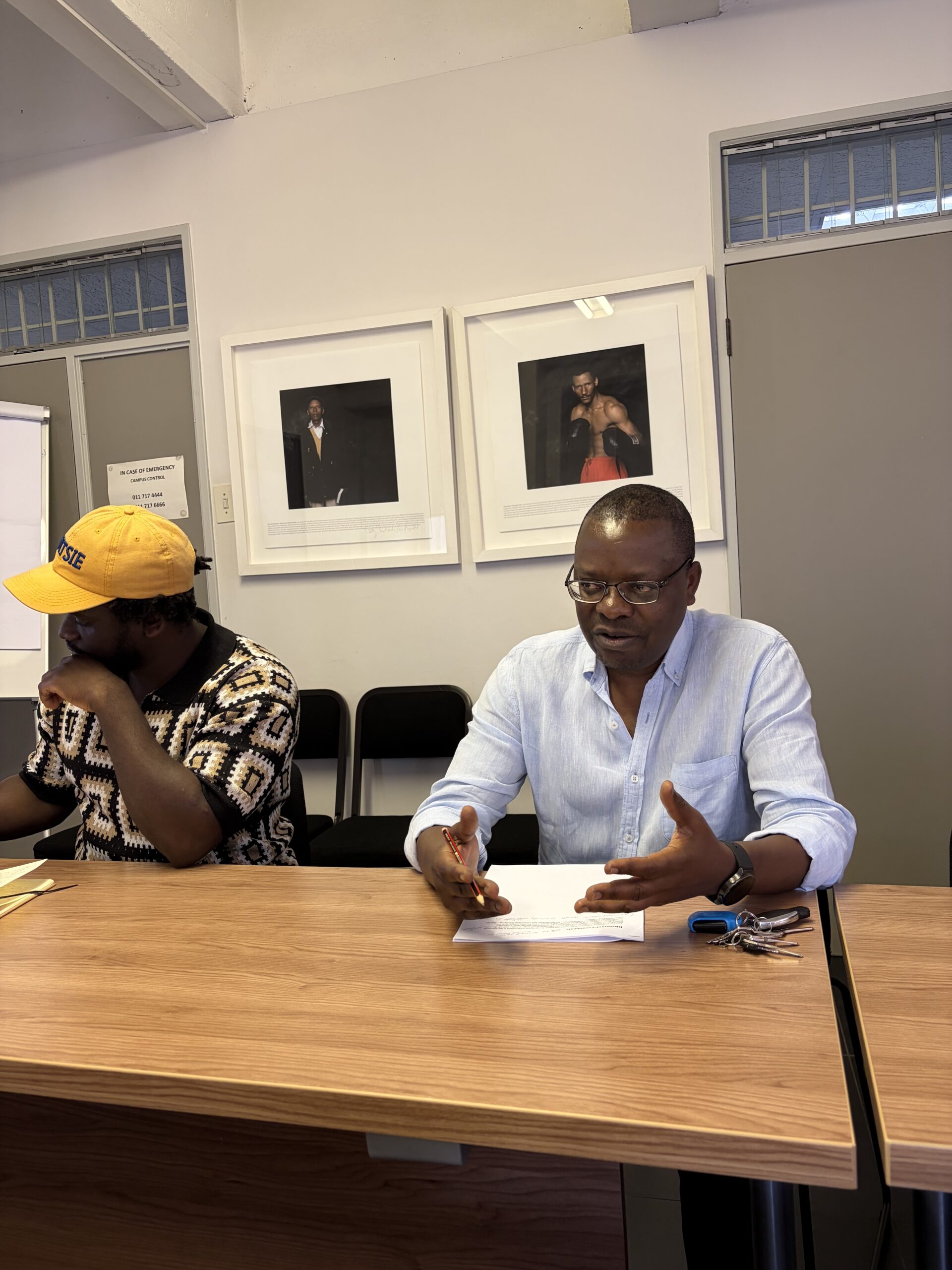
Respondent Dr. Jean Pierre Misago offered the below reflections:
- He requested further clarity on the various contestations and noted that subnational is not necessarily informal.
- He emphasised that power dynamics need to be unpacked more, as hybrid governance is dynamic and may include imbalances.
- He noted that legitimacy includes acceptance by the government, not just the community.
- He recommended literature on migration infrastructure and multilevel governance, and highlighted ECOWAS and the EU as key players.
- Importantly, he reminded the room not to ignore the third actor: migrants themselves, who contest, evade, and negotiate, shaping migration governance outcomes.
Dr. Diallo also addressed questions on policy differences between Côte d’Ivoire and Nigeria, including the resident permit system and the influence of international practices on Nigeria’s migration policy. Thank you to Dr. Diallo for a thought-provoking seminar and to Dr. Misago for a rich and generous response. Thank you to Dr Brian Murahwa (Postdoctoral Fellow at the ACMS) for chairing the seminar.



0 Comments