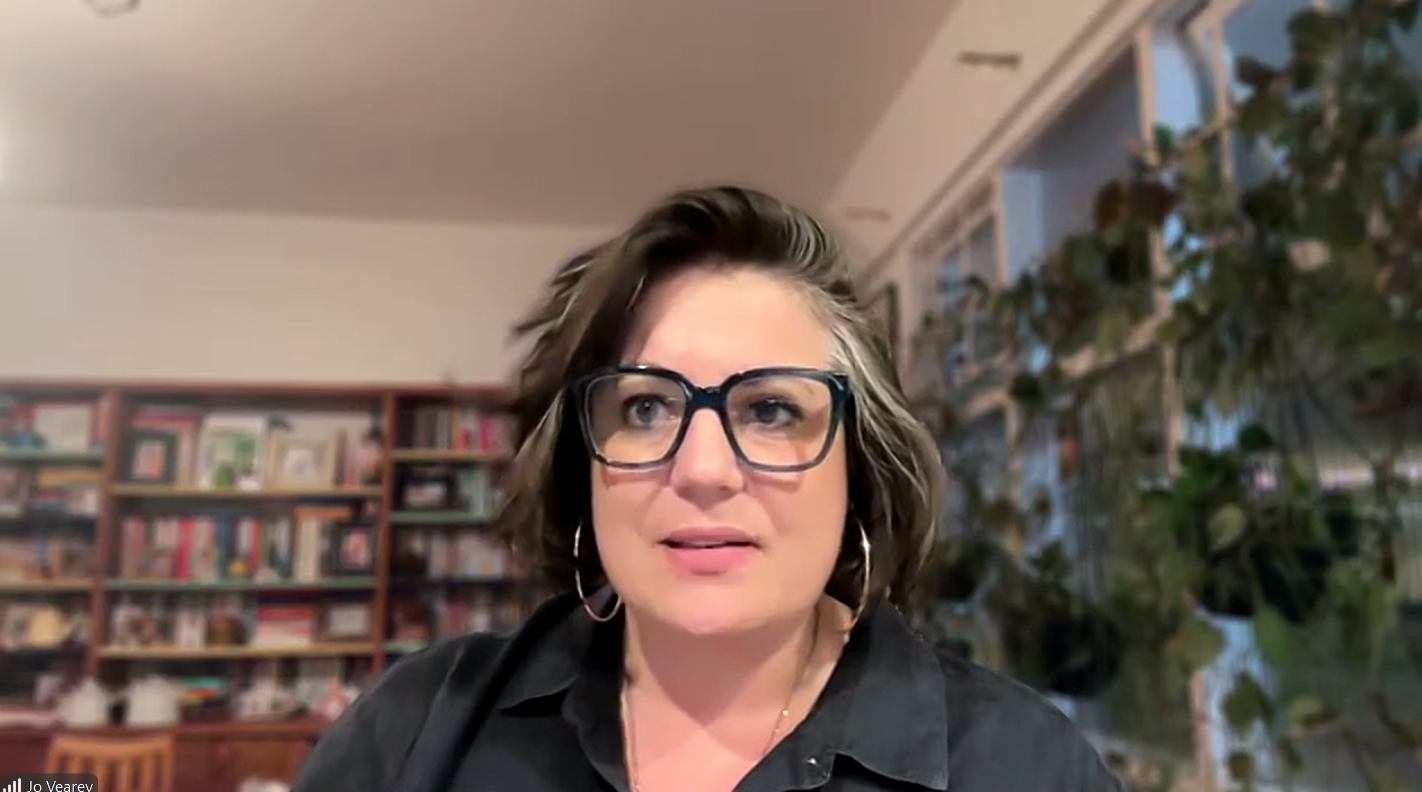
In a powerful pan-African dialogue hosted by Voice1Africa, ACMS‘ Associate Professor and Co-Director, Jo Vearey, joined a panel of experts to unpack the complex drivers of xenophobia across the continent.
Key insights from the conversation:
- While xenophobia often manifests as hate crimes, violence, and vigilantism, Prof. Vearey highlighted that it also takes the form of structural violence, where political climates drive policies that “other” and scapegoat foreign nationals.
- Steven Gordon noted that anti-immigrant rhetoric has deep roots in post-colonial Africa, often used to excuse state failures (e.g., Ghana’s historical rhetoric against Nigerians). He also highlighted the need to distinguish between attitudes toward immigration and actual xenophobic violence.
- Emmanuel Dziwornu explained that people do not naturally fear others unless they feel unsafe or insecure. Xenophobia is a complex issue that does not develop overnight.
- Who belongs? When asked who is permitted to belong, Prof. Vearey reminded us that people live transnational lives that don’t always follow social cohesion projects. “Belonging is inherently personal and cannot really be assessed,” she noted, urging us to rethink how we approach living together.
- The intersection of vulnerability: Prof. Vearey discussed how state failures leave migrants as scapegoats, especially in countries where public services are already under strain. Those further marginalised, like Black Africans, poor people, sex workers, and Asian migrants, are disproportionately disenfranchised.
What must change?
The panel agreed that ending xenophobia requires a collective effort. It demands a more involved state, better implementation of South Africa’s National Plan on Combating Xenophobia, and stronger accountability for those in power.
Thank you to Voice1Africa, the panelists, and everyone who joined the conversation.





0 Comments