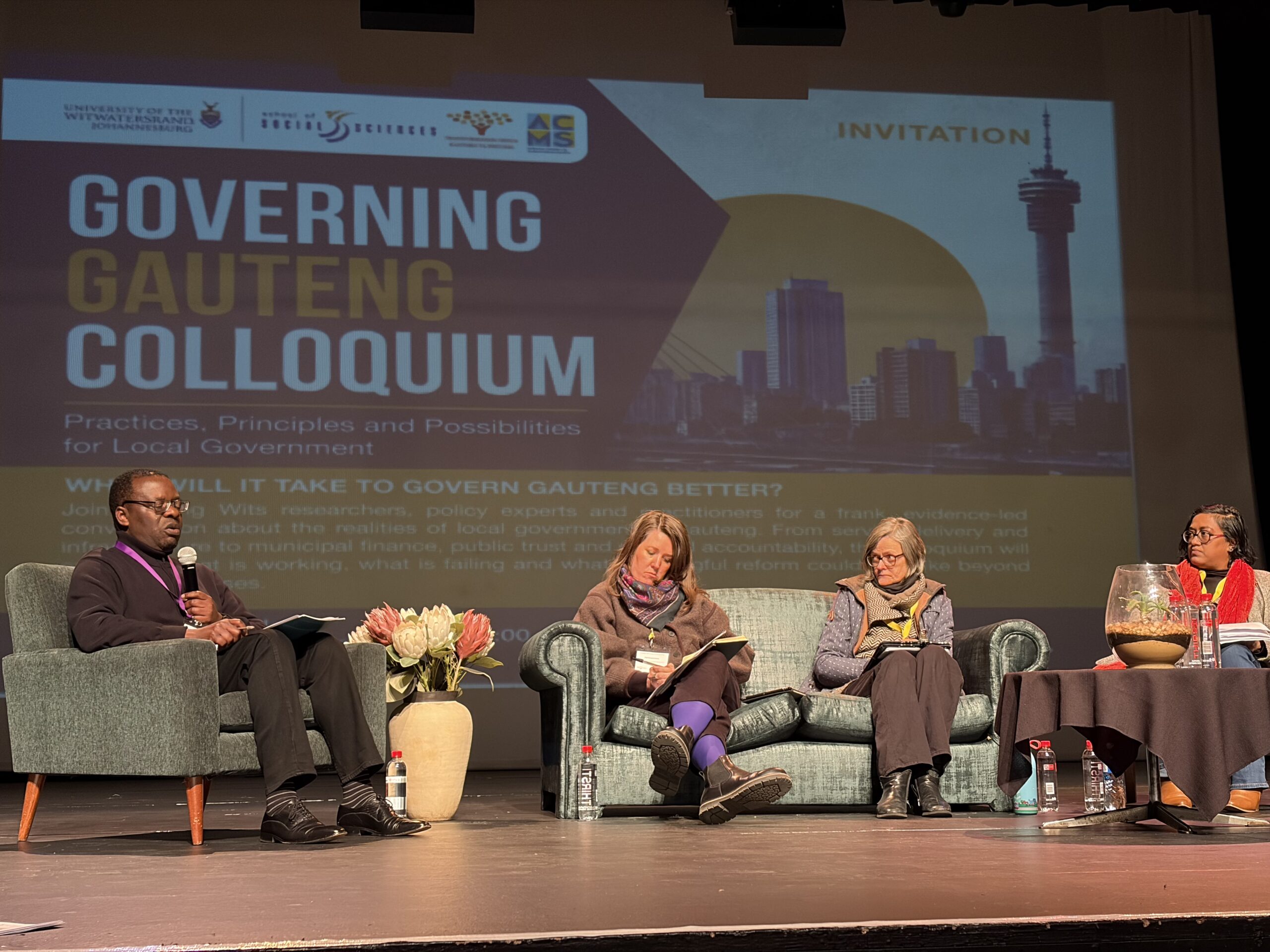
Gauteng’s success or failures foretell the country’s social, economic, and political trajectories.
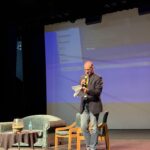
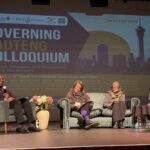
On 12 August 2026, the Wits Theatre on Braamfontein Campus East hosted a public colloquium, Governing Gauteng: Practices, Principles, and Possibilities for Local Government, convened by the Wits School of Social Sciences, the African Centre for Migration & Society (ACMS), the Wits-Oxford Mobility Governance Lab (MGL), and the Wits Transformation and Employment Equity Office.
The conversation, held in the shadow of the November elections, brought together leading researchers, policy experts, and practitioners, not campaigning politicians, to focus on what is actually happening in Gauteng.
Key themes that emerged:
The Changing Shape of Local Governance, chaired by Professor Loren Landau (ACMS, Wits) examined the gap between constitutional ambitions and the realities of local government. Speakers interrogated the drivers of change and resistance, and asked; what is the state of local governance today?
Policy, Budgets, and the Nuts and Bolts
Speakers interrogated how money is spent, how responsibilities are allocated, and where the public domain ends and private interests begin. Coalition governance, fragile planning, and municipal debt were central concerns.
Different Faces of Governance
Panelists explored service provision, infrastructure, and what it means to live, work, and study in Gauteng today. Dr. Jean-Pierre Misago (ACMS) spoke to the intersections of migration, xenophobic discrimination, and local governance, examining how anti-migrant mobilisation is reshaping communities and testing the rule of law.
Key takeaway: Everyone running for political office agrees that reforms are urgent, but translating rhetoric into practice remains the ultimate test of progress. Voters in South Africa go to the polls in November amidst struggles for basic services, housing, water, electricity, and safety.
Thank you to all the speakers, panelists, and attendees for a day of honest, evidence-led conversation.


0 Comments