• AUDIO SLIDE: ‘Demographic Change and Migration Policy’ seminar presentation

    As part of the ACMS Public Seminar Series, Dr Andrew Selee recently (20 August 2025) presented on 'Demographic Change and Migration Policy.' Dr Selee is the president of the Migration Policy Institute (MPI), a non-partisan, independent think tank, which focuses on data, analysis, and prospective ideas for migration policy. The world is undergoing rapid demographic change, with most upper and upper-middle-income countries dropping below replacement level fertility and many middle-income countries following close behind. As populations shrink in these countries, immigration will become one of the few ways that countries maintain a robust labour force and ensure fiscal solvency, even taking into account productivity gains and changes in workforce needs brought about by technological innovation. And African countries will almost certainly be the source of most of the migrants that are willing to move to these rapidly aging societies. However, this transition is likely to be less than smooth, with increased migration also leading to significant push-back within destination countries and to calls for greater border controls. According to Dr Selee, managing this transition effectively will require building legal pathways proactively, adjusting the pace of change thoughtfully, and ensuring the credibility of immigration systems to facilitate mobility. It will also […]

  • VIDEOS: ‘The Borders of Transformation’ colloquium

    Earlier this month (4 September 2025), the University of the Witwatersrand held a colloquium on 'The Borders of Transformation: The Continent and the South African University'. This colloquium considered competing and complementary approaches to race and nationality in South African higher education, at a moment that marks ten years since the Rhodes Must Fall and Fees Must Fall protests, as well as being characterised by the increasing visibility and weaponisation of national and international xenophobia. Opening the colloquium, Wits University's Head of School of Social Sciences, Lorena Núñez Carrasco posed the following provocation: "So what can we do? Yes, we must keep speaking out against politicians who use fear and division to gain power. Yes, we must push for sound evidence-based policies on healthcare, taxation, education and more. But is that enough? Today is about going further. We are here to restart the conversations students began a decade ago. We are asking ourselves what role should we, as academics and institutions, play in shaping a fairer future? What are our goals? What stands in our way, and what tools and resources do we have to work with? This won't be an easy conversation. We hope it will be an honest […]

  • ACMS Seminar: Home and Away – An Analysis of Out of Country Voting in South African Elections

    ACMS Seminar Room 2163, South East Wing, Second Floor, Solomon Mahlangu House, University of the Witwatersrand East Campus

    Presenter: Dr Catherine Musuva Date: Wednesday, 17 September 2025 Time: 12:30 – 13:45 Venue: ACMS Seminar Room: Room 2163, Solomon Mahlangu House (2nd floor), East Campus, Wits University (directions) Zoom link: https://wits-za.zoom.us/j/95786624514?pwd=53Oi1h6gHcWY2Q43O0p8ZqzOsOLZXp.1 Register: https://tinyurl.com/4zxkc7s8 Abstract: This research examines the extent to which South Africans living abroad are interested in participating in homeland elections. South Africa has a relatively large emigrant population, and non-resident citizens enjoy the right to vote in national elections. Yet, electoral behaviour is largely studied through a domestic voter lens, and the factors that influence emigrant political behaviour are not fully understood despite the growing interest of migration scholars and political scientists in external voting globally. A historical analysis of external voting data from the electoral commission of South Africa reveals that uptake is very low and opposition parties are the main beneficiaries of external votes. The research theorises on explanations for the data and contributes to broader debates on migrant agency, citizenship and transnational political participation. About the researcher/presenter: Dr Catherine Musuva is a senior researcher and postgraduate coordinator at the African Centre for Migration and Society (ACMS) at Wits. She is also a research fellow at the Centre for Research on Democracy (CREDO) at Stellenbosch University. […]

  • PODCAST: Serge Alain Nitegeka’s ACMS walkabout of ‘Black Subjects’

    On 2 September, about 20 African Centre for Migration & Society (ACMS) staff and students were taken on a guided tour by renowned artist Serge Alain Nitegeka, of his latest exhibition called Black Subjects, currently showcasing at the Wits Art Museum (26 August to 1 November 2025). Nitegeka presents his first institutional solo show in Johannesburg. For Black Subjects, he stages a monumental sculptural intervention, whilst also working across painting and video. Nitegeka grounds his practice in a language of abstraction, geometry and colour. The experiential interaction with the work refutes passivity, resulting in a congruence between the body and space. A key tenet of the exhibition is the relationship between movement and load. In his paintings, figures carry unidentified cargo, moving across a landscape of abstracted obstacles, Nitegeka renders cargo and the personal effects of migration into a language of abstracted thought and form, emphasising the liminality embedded in these narratives. As the audience is transformed into the Black Subjects, the installation-performance exemplifies the ways the body becomes cargo and continues the artist's reflections on his experiences of forced migration and displacement. Listen to the podcast below of the discussion that Nitegeka had with ACMS during the exhibition walkabout. […]

  • Cities in Motion: Health, Violence & Crisis in SA’s Urban Worlds

    ACMS Seminar Room 2163, South East Wing, Second Floor, Solomon Mahlangu House, University of the Witwatersrand East Campus

    As part of the Migration, Health & Wellbeing in Context webinar series, the ACMS in partnership with Nuture4Youth, Global Health Research Group: GEMMS, the Cluster of Research Excellence (CoRE) in Migration & Health, and the Wits University School of Social Sciences is organising its second hybrid seminar, titled 'Cities in Motion: Health, Violence & Crisis in SA's Urban Worlds'. Date: Tuesday 11 November 2025 Time: 10am – 11.30am (SAST) In-person venue: African Centre for Migration & Society (ACMS) Seminar Room (see directions here) Online: Zoom link here Speakers: - Diego Iturralde, Chief Director: Demography and Population Statistics, Statistics SA - Silindile Mlilo, Xenowatch, ACMS, Wits - Rebecca Walker, Collective Voices and ACMS, Wits - Federica Duca, Johannesburg Crisis Working Group, PARI, Wits - Lorena Nunez, School of Social Sciences, Wits This webinar aims to facilitate an evidence-informed conversation about the intersecting and multi-level dynamics of migration and urbanisation and their impacts on population health and wellbeing in South Africa. Central to current debates is the need to focus on the structural and interpersonal violence – including that promoted by anti-foreigner vigilante groups - that remain defining features of life in many urban settings. It seeks to move beyond abstract policy debates […]

  • EXHIBITION: The project that’s remapping migration in urban Africa

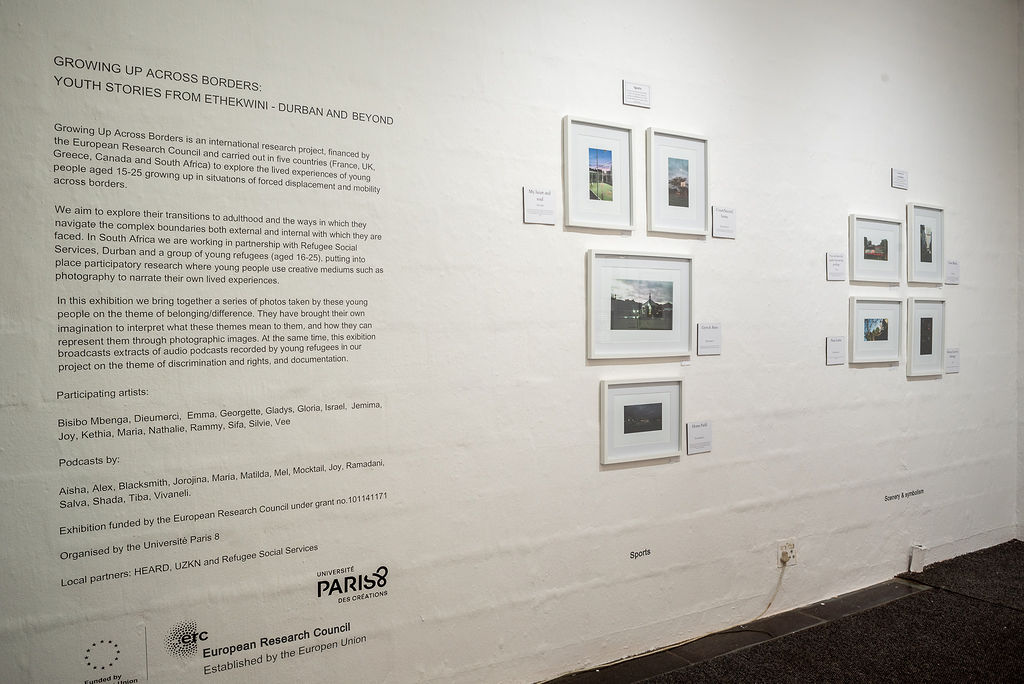
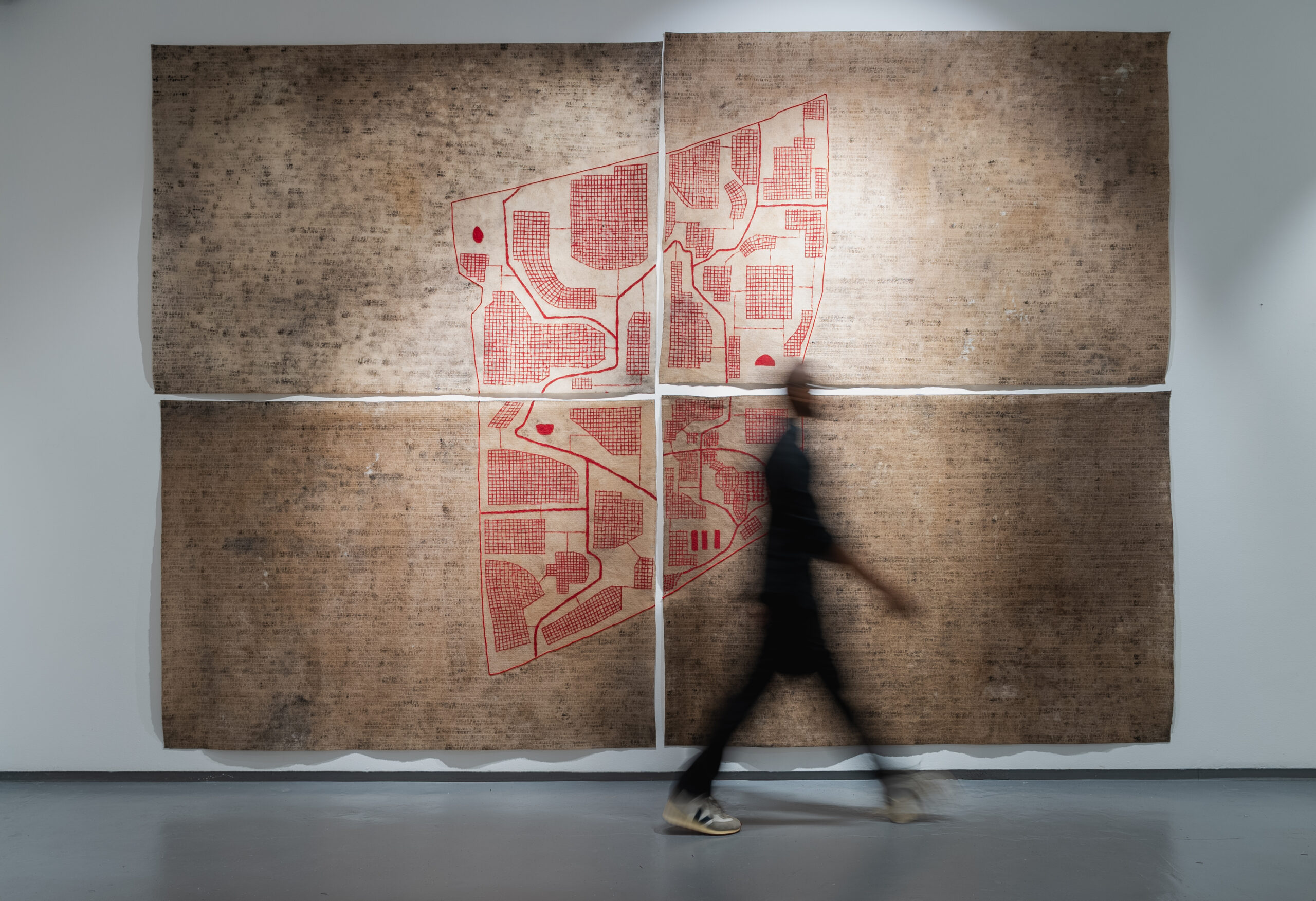
    This post has been adapted from an article that was originally published by Wits University, under the same title, on 3 March 2026. Above featured image, 'When we travel, where do we settle?', by Wezile Harmans (photo credit: Lehlohonolo Ndlovu). In-text image, 'Madini', by Daniel Muchina. And with it, a glimpse into the world's future cities. The population of African cities is expected to double to 1.4 billion people by 2050, with much of this growth being driven by those ​​arriving from elsewhere. Yet the way planners and policy-makers talk about these spaces — using words like failure, ungoverned, and problematic — is unfit for this era of global political, economic and environmental instability. The Atlas of Uncertainty asks: What if African cities aren't behind the curve, but ahead of it? Launching at the Origins Centre at Wits University on 18 April, the Atlas of Uncertainty is a collaborative, interdisciplinary knowledge project — part book, part interactive website, part travelling exhibition — that challenges how we understand and interpret migration and African cities. Built on surveys from gateway neighbourhoods in Accra, Nairobi, and Johannesburg, it braids hard data with essay, poetry, soundscape, artwork, and new forms of cartography to convey what statistics alone cannot — […]

  • ACMS SEMINAR: Exclusionary Cohesion? Rethinking the Nexus between Social Cohesion and Xenophobic Violence in South Africa

    ACMS Seminar Room 2163, South East Wing, Second Floor, Solomon Mahlangu House, University of the Witwatersrand East Campus

    Presenter: Dr Jean Pierre Misago Date: Wednesday, 25 March 2026 Time: 12:30 – 13:45 Venue: ACMS Seminar Room (2163), Solomon Mahlangu House (2nd floor), East Campus, Wits University (directions) Zoom link: https://tinyurl.com/3dwkccpp, Meeting ID: 957 8662 4514, Passcode: 012731 RSVP: Email ntokozo.yingwana@wits.ac.za Abstract: Drawing on nearly two decades of multi-case and comparative qualitative research, this article examines the relationship between social cohesion and xenophobic violence in South Africa. Echoing emerging scholarship, it challenges the conventional wisdom that social cohesion is inherently a solution to violence. It demonstrates that under certain conditions, social cohesion is linked to xenophobic violence, not as a solution but as a driver. It indeed argues that intersections between i) migration-induced diversity; ii) severe socio-economic deprivation; and iii) local governance deficits turn already pervasive bonding cohesion into ‘exclusionary cohesion’, thereby rendering aspects of social cohesion (i.e. social cohesion itself) a driver of xenophobic violence. The article makes three scholarly contributions. First, it introduces two concepts – ‘exclusionary cohesion’ and ‘deprivation-induced cohesion’ (an extension of social closure) - that capture the essence of aspects of social cohesion making it a driver of xenophobic violence in South Africa. Second, it lends voice to calls for reconceptualising social cohesion by […]

  • ACMS SEMINAR: Fixed Systems, Mobile Lives

    ACMS Seminar Room 2163, South East Wing, Second Floor, Solomon Mahlangu House, University of the Witwatersrand East Campus

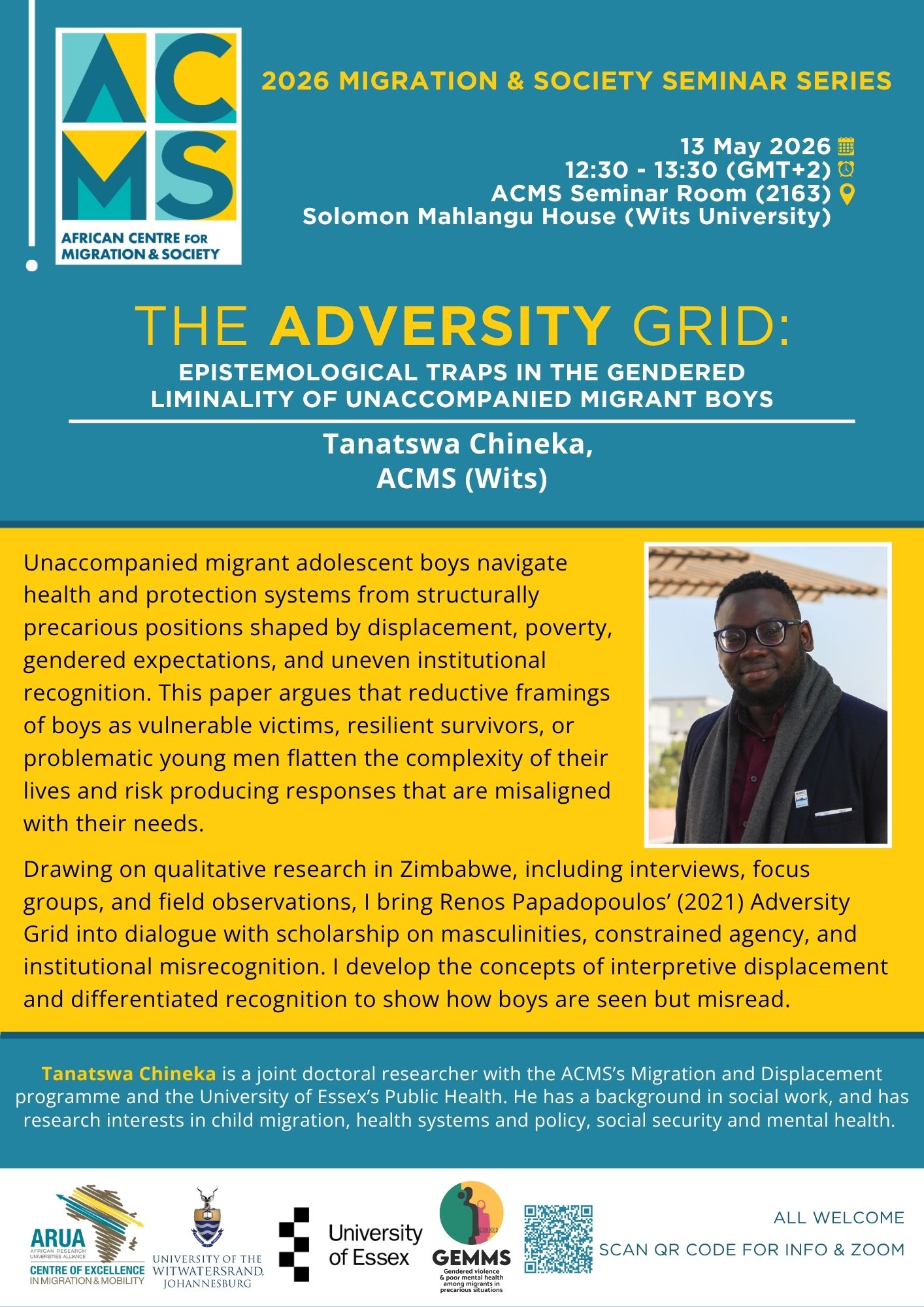
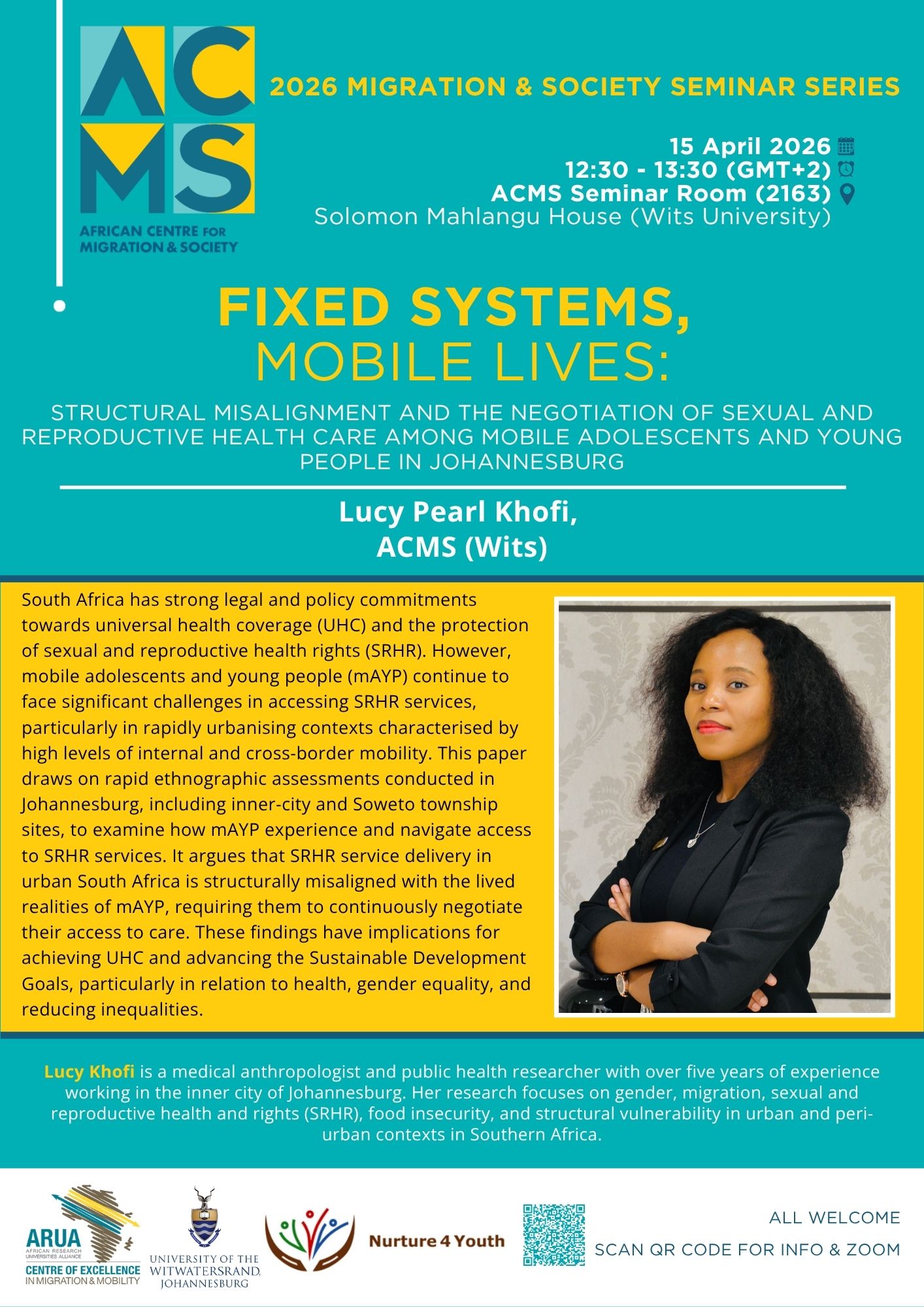
    Presenter: Dr Lucy Pearl Khofi Discussant: Professor Busisiwe Nkala-Dlamini (Wits University, Department of Social Work) Title: Fixed Systems, Mobile Lives: Structural Misalignment and the Negotiation of Sexual and Reproductive Health Care among Mobile Adolescents and Young People in Johannesburg Date: Wednesday, 15 April 2026 Time: 12:30 – 13:30 Venue: ACMS Seminar Room (2163), Solomon Mahlangu House (2nd floor), East Campus, Wits University (directions) Zoom link: https://tinyurl.com/3dwkccpp, Meeting ID: 957 8662 4514, Passcode: 012731 RSVP: Email ntokozo.yingwana@wits.ac.za Abstract: South Africa has strong legal and policy commitments towards universal health coverage (UHC) and the protection of sexual and reproductive health rights (SRHR). However, mobile adolescents and young people (mAYP) continue to face significant challenges in accessing SRHR services, particularly in rapidly urbanising contexts characterised by high levels of internal and cross-border mobility. Nurture4Youth aims to support mAYP’s health and wellbeing by strengthening their capacity to navigate access to SRHR services in new and often precarious environments. This paper draws on rapid ethnographic assessments conducted in Johannesburg, including inner-city and Soweto township sites, to examine how mAYP experience and navigate access to SRHR services. The rapid ethnographic assessment approach included participatory methods such as transect walks, structured observations of key spaces, community engagements, and in-depth […]

  • VIDEO: Fixed Systems, Mobile Lives

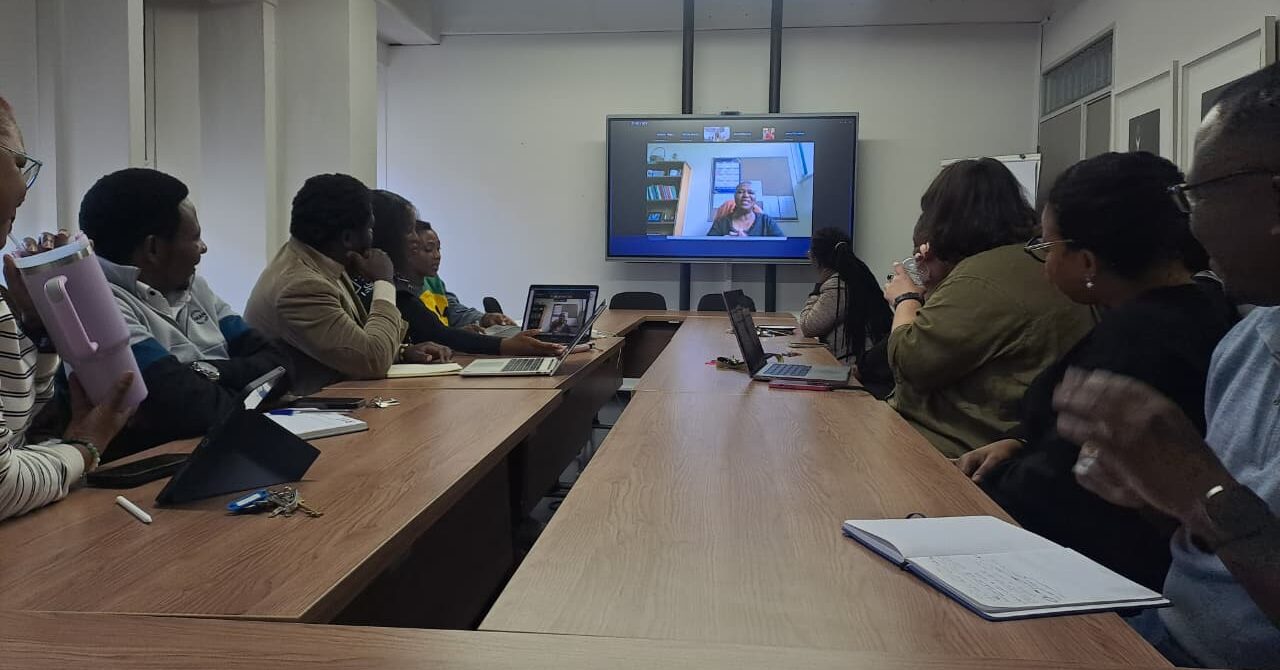
    By Reabetswe Maputla South Africa has strong legal and policy commitments toward Universal Health Coverage (UHC) and the protection of sexual and reproductive health and rights (SRHR). However, findings from a rapid ethnographic assessment in Johannesburg, across inner-city and Soweto, highlight a clear gap between policy and lived reality. On 15 April, ACMS post-doctoral fellow Dr Lucy Pearl Khofi presented at the ACMS Migration & Society Seminar Series a paper on: 'Fixed Systems, Mobile Lives: Structural Misalignment and the Negotiation of Sexual and Reproductive Health Care among Mobile Adolescents and Young People in Johannesburg.’ Professor Busisiwe Nkala-Dlamini of the Wits University, Department of Social Work, was the discussant. Mobile adolescents and young people (mAYP), particularly in rapidly urbanising settings shaped by internal and cross-border mobility, face significant barriers to accessing SRHR services. Long waiting times, overburdened facilities, and rigid administrative systems often make access difficult. Many are forced to choose between seeking healthcare and meeting immediate economic or family responsibilities. Dr Khofi argues that SRHR service delivery is structurally misaligned with the lived realities of mAYP. While health systems assume stability and continuity, young people’s lives are often mobile, uncertain, and economically constrained. As a result, access to care is […]

  • BOOK LAUNCH: East African Queer and Trans Displacements

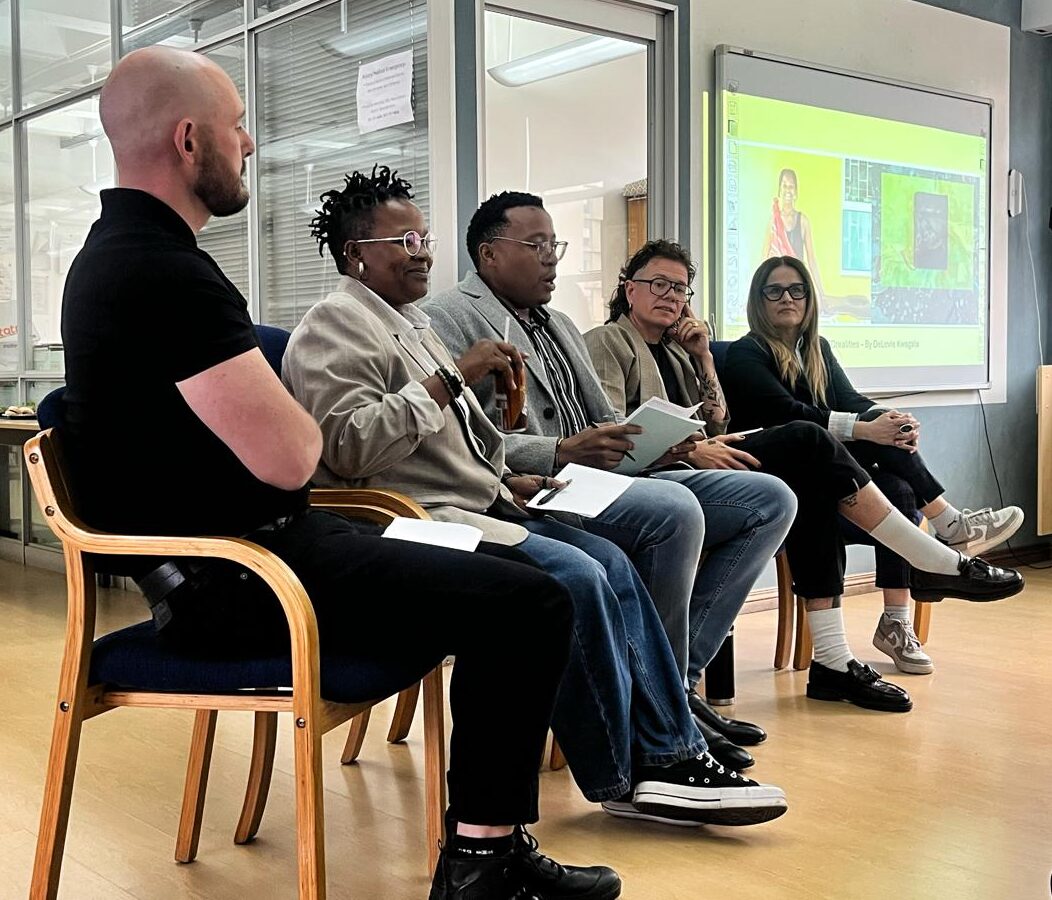
    Over the past decade, East Africa has become synonymous with state-sponsored homo/ transphobia, marked by draconian legislation and recurring moral panics. These escalating dynamics have forced many LGBTQI East Africans to flee their homes. Yet it would be wrong to characterise East Africa solely as a producer or host of LGBTQI refugees. It is also a site of activism and community, of belonging and enterprise, where the limits of protection mechanisms are tested and redefined. Bringing together diverse case studies and interdisciplinary perspectives, this collection features original creative works by queer and trans diasporic writers and artists to explore the drivers, impacts and meanings of queer and trans displacement in and from the region. East African Queer and Trans Displacements is an open access collection that offers the first in-depth examination of queer and trans displacement in the region. The latest book launch was held on 13 April 2026 at the Wits Centre for Diversity Studies (WiCDS). It brought together three of the editors—Dr. B. Camminga (University of Bristol), Dr Barbara Bompani (University of Parma) and Dr John Marnell (Wits University)—in conversation with Dr Kudzaiishe Vanyoro (Wits University) and Shinta Jennifer Ayebazibwe (University of Johannesburg).  Speaking about his book chapter, titled: […]