• An “NGOisation” of the social cohesion policies between migrants and South Africans? Initial results of an ethnographic investigation of the Cape Town migrant cause

    ACMS Seminar Room 2163, South East Wing, Second Floor, Solomon Mahlangu House, University of the Witwatersrand East Campus

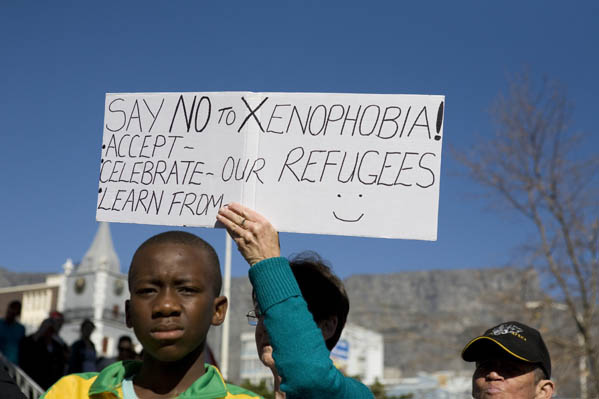
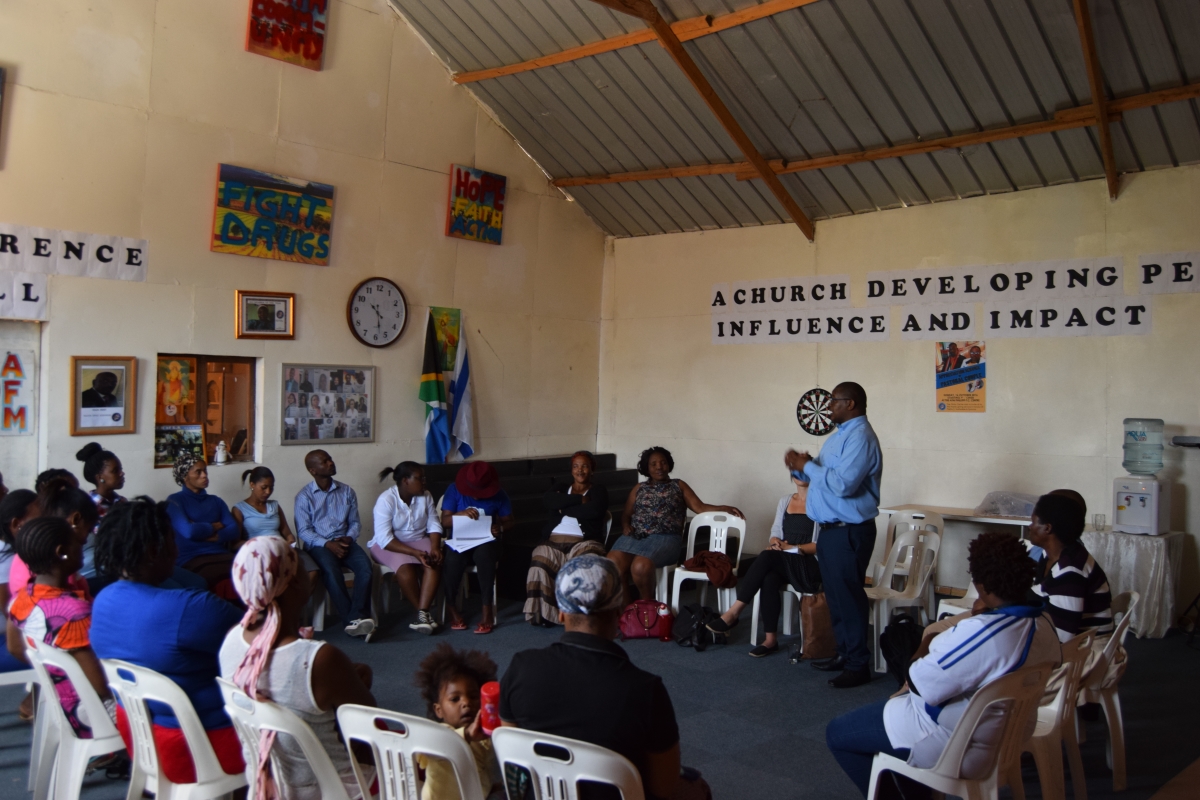
    There have been diverse answers from the “civil society” to xenophobic violence since the end of Apartheid. Over the years, more and more “specialised” Non-Governmental Organisations - involved in international “policy networks” (Le Galès, 2004) and using organisation and intervention principles imported from abroad - have emerged. The presentation will question this “NGOisation” (Falquet, 2003) of the migrant cause and its effects. From January to December 2016, the presenter conducted a participant observation in a Capetonian NGO, “implementing partner” of the UNHCR tackling social cohesion issues between South Africans and nonnationals in underprivileged communities. Building on the data collected during this fieldwork, and on the results of a second participant observation started in January 2017 within a similar structure, the presentation will analyse the impact of these NGOs’ intermediary position between different social worlds (funders, South African state, South African and non-national communities, university, social movements, other NGOs, etc.) on the activists’ work and on their individual trajectories. It will posit that social cohesion public policies are the product of the aggregated actions of the different “street level bureaucrats” (Lipsky, 1980) acting within those NGOs who reify in their daily routines broader social structures. Hence, what is at stake here is not […]
  • Mapping xenophobic violence in South Africa: Opportunities and pitfalls of hot-spot and causal analysis in combatting xenophobic violence

    ACMS Seminar Room 2163, South East Wing, Second Floor, Solomon Mahlangu House, University of the Witwatersrand East Campus

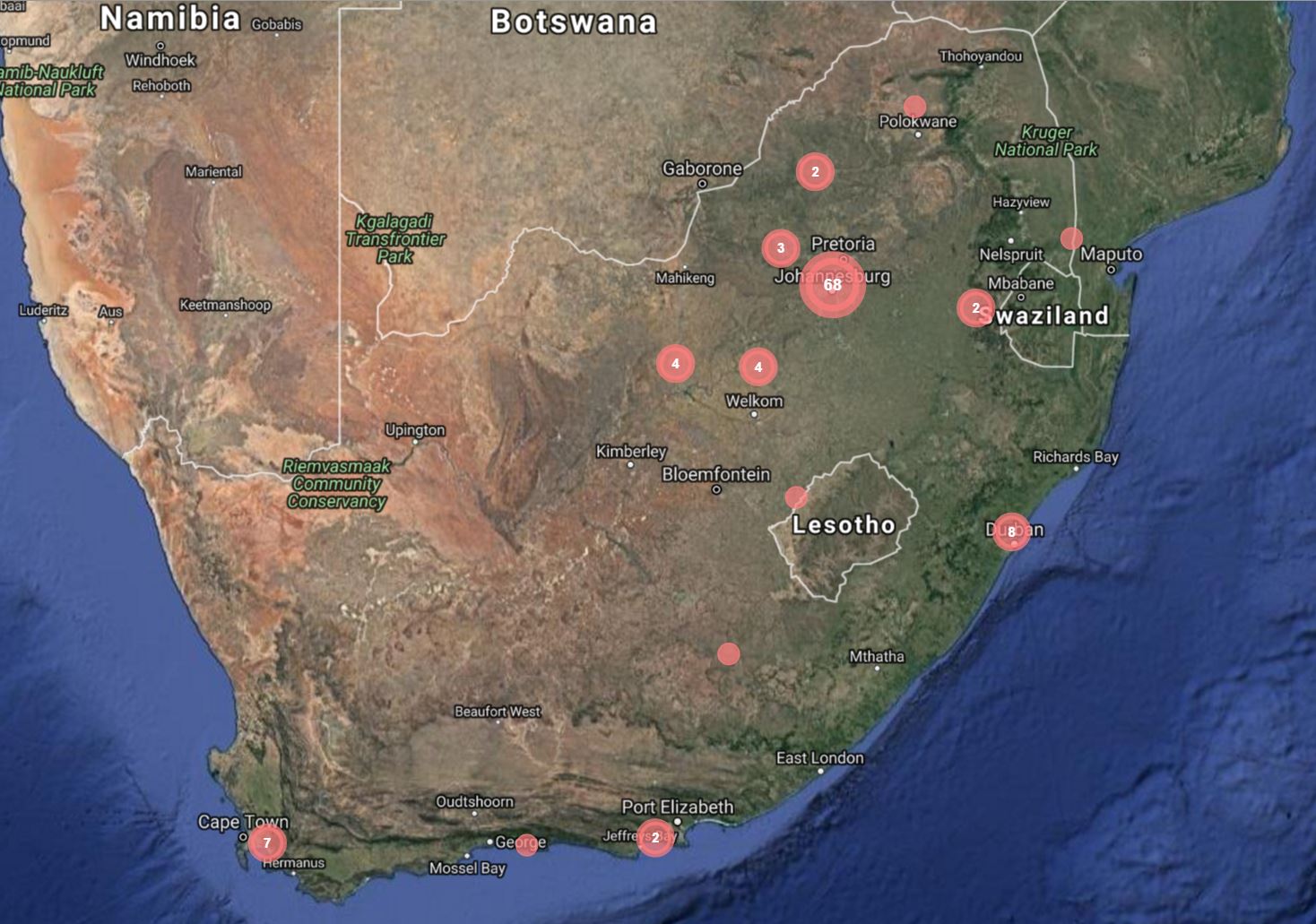
    International migrants in South Africa have been remarkably vulnerable to socio-economic exclusion, corruption and violence since 1994 while public discourse continues to focus on the supposed negative impacts of migration. In the first half of 2017 alone, hundreds of non-nationals have been attacked, displaced and had their shops looted. While no official information on xenophobic violence is available by the South African Police Service or Statistics South Africa, the African Centre for Migration & Society has been tracking xenophobic threats and violence across the country through its platform, Xenowatch. Drawing from spatial data on 500 incidents of xenophobic violence between 1994 and 2017 as well Census 2011 and other data, this presentation will highlight maps of hotspot locations for xenophobic violence and discuss possible causal factors. Since mapping is an increasingly popular tool for understanding and acting on crime and violence, the presentation explores how we can critically use spatial and causal analysis to understand xenophobic violence and inform conflict prevention and resolution initiatives as well as local and national policy. Biography Alexandra Hiropoulos is a post-doctoral research fellow at the African Centre for Migration & Society at the University of the Witwatersrand. With a background in crime intelligence and […]

  • Public exhibition and discussion: Know my story

    Workers' Museum, Jeppe Street, Newtown, Johannesburg

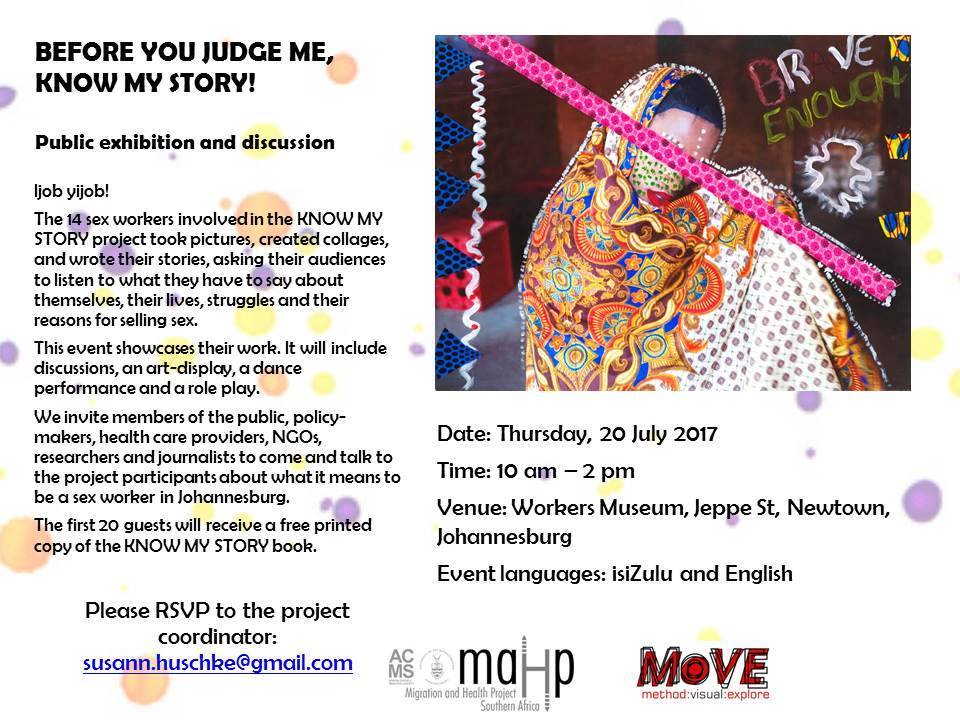
    Know my story is supported by various organisations and individuals, including Move: Methods.Visual.Explore, the Migration and health project Southern Africa: maHp and the Security at the Margins - SeaM project of the African Centre for Migration & Society, Wits University. We invite you to the public exhibition and discussion of Know my story, a participatory photography and art project involving sex workers who live and work in Soweto. Date: 20 July 2017 Time: 10:00 - 14:00 Venue: Workers' Museum, Jeppe Street, Newtown, Johannesburg

  • The migration management of refugees in contemporary South Africa: the erosion of the refugee regime?

    ACMS Seminar Room 2163, South East Wing, Second Floor, Solomon Mahlangu House, University of the Witwatersrand East Campus

    As part of the Lunchtime Seminar Series, the African Centre for Migration & Society invites you to a seminar titled The migration management of refugees in contemporary South Africa: the erosion of the refugee regime? presented by Nicholas Maple (Refugee Law Initiative (RLI), Institute of Commonwealth Studies, University of London).  This presentation will provide a multi-scalar perspective on contemporary South African refugee policy and practice. South Africa has traditionally been held up by UNHCR as a model of how to receive refugees on the African continent. On paper, this is still true, with robust national refugee legislation and a national constitution which together guarantee international and regional obligations towards refugees. Yet, refugee policy and practice in South Africa over recent years has been deviating significantly from the law. Drawing on the new South African Green and White Papers on International Migration as a focal point for discussion, this presentation will suggest via a form of regime shifting, the treatment of refugees in South Africa is rapidly moving from policy and practice founded on the global refugee regime to a new migration management approach whereby refugees are becoming seen solely as economic migrants. Biography Nicholas is a PhD student at the Refugee Law Initiative (RLI), Institute of Commonwealth Studies, University of […]

  • Media portrayal of immigration in the South African media, 2011-2015

    ACMS Seminar Room 2163, South East Wing, Second Floor, Solomon Mahlangu House, University of the Witwatersrand East Campus

    As part of the Lunchtime Seminar Series, the African Centre for Migration & Society invites you to a seminar titled Media portrayal of immigration in the South African media, 2011-2015 presented by Nixon Kariithi (Tangaza Africa Media). The issue of media representation of immigrants is particularly pertinent today, given the current anti-immigrant sentiment in parts of Europe and the United States. In South Africa, negative attitudes towards foreigners are common and media discursive descriptions of immigrants as illegal, undocumented or a dangerous threat is typical. This study utilises quantitative tools of analysis to explore the media coverage of immigration adopting the RASIM Corpus Linguistics (CL) approach. The rubric – REFUGEE, ASYLUM-SEEKER, IMMIGRANT, MIGRANT is adjusted to RASFIM – REFUGEE, ASYLUM-SEEKER, FOREIGNER, IMMIGRANT, MIGRANT – to more appropriately account for the specific nuances of representations of immigrants in the South African media. The data, comprising of over 5,000 relevant media articles, was drawn in annual tranches for the period 2011–2015. The findings identify significant patterns that are consistent with extant literature on media constructions of foreigners as “illegal immigrants.” Other findings relating to “shop” and “trade” references offer evidence of the complex and at times contradictory nature of public discourses on immigration. Media narratives go as far as to suggest that foreign-owned shops are […]

  • Mystic motives: Re-evaluating clandestine migration out of Senegal

    ACMS Seminar Room 2163, South East Wing, Second Floor, Solomon Mahlangu House, University of the Witwatersrand East Campus

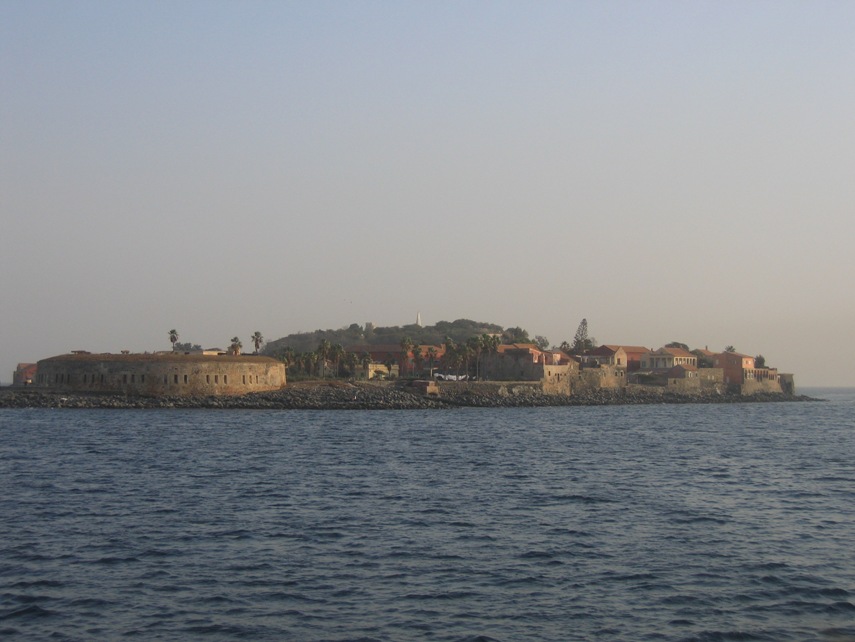
    As part of the Lunchtime Seminar Series, the African Centre for Migration & Society invites you to a seminar titled Mystic motives: Re-evaluating clandestine migration out of Senegal presented by Stephanie Maher (African Centre for Migration & Society, University of the Witwatersrand). Between 2006 and 2008, tens of thousands of young predominantly male boat migrants left the shores of West Africa in the hopes of reaching the Spanish Canary Islands. At the time, policy analysts explained the exodus as being motivated primarily by ‘brute poverty’. Since then, anthropologists have nuanced this strictly fiscal interpretation by exploring how other social factors contributed to clandestine departures, such as the inability of youth in Africa to achieve ‘social adulthood’. While such scholarship complicates the broad strokes approach of policy analysis by attending to the difficulties of obtaining upward social mobility in climates of austerity and volatility, it remains largely centered on the economics of individual status and neglects the reality of fulfilling spiritual obligations in a world of increasingly restricted borders. This presentation offers another reading of the motivating factors by arguing that economic motives, though profound, cannot be divorced from their socio-religious milieu. Rather, migration is often a mode of aspiring to piety and striving […]

  • Routes And Rites To The City: Mobility, Diversity And Religious Space In Johannesburg

    Humanities Graduate Centre Seminar Room, South West Engineering Building, University of the Witwatersrand East Campus

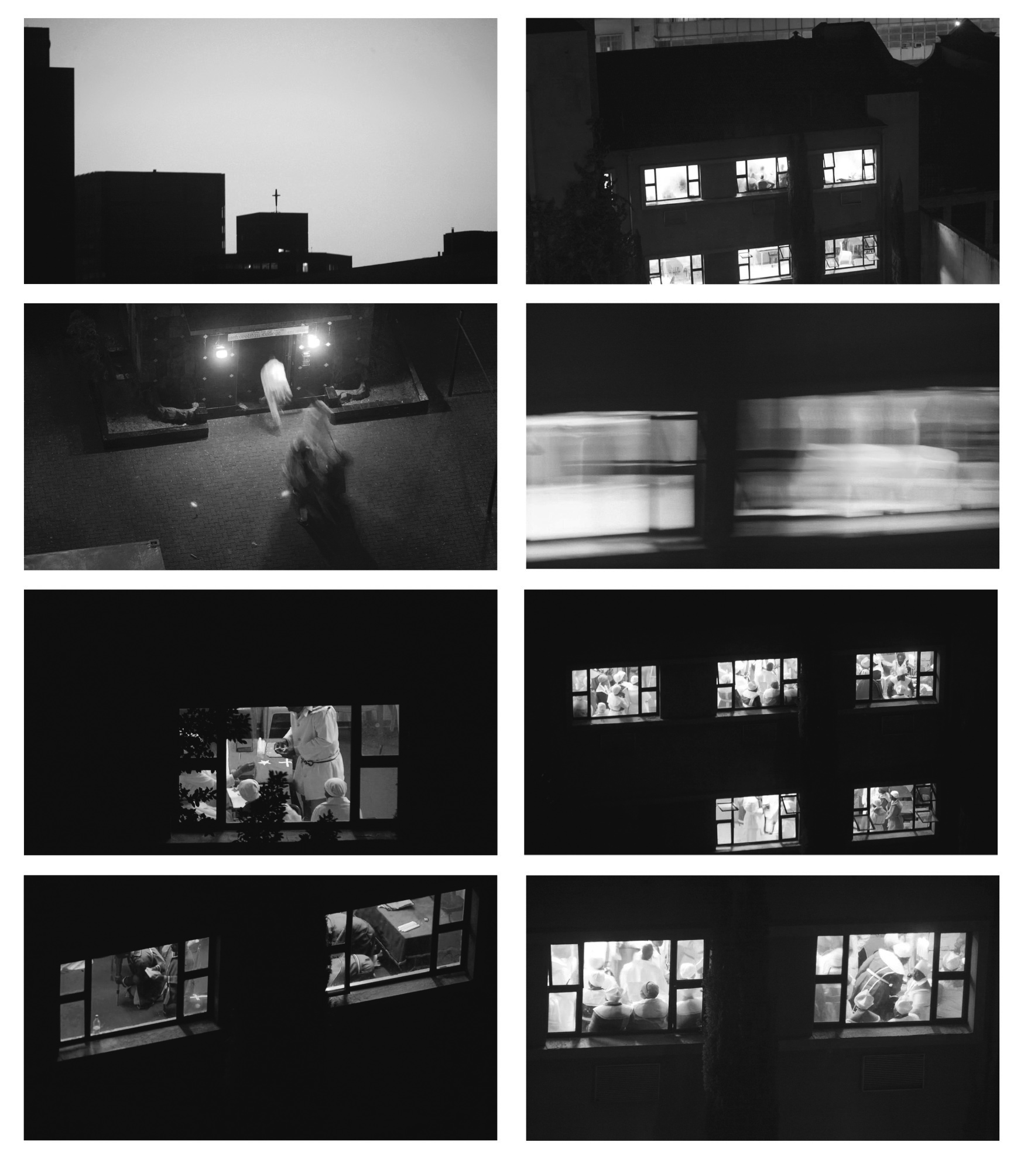
    The Wits Department of Sociology and African Centre for Migration & Society are pleased to host a book launch and panel discussion of Routes and Rites to the City: Mobility, Diversity and Religious Space in Johannesburg. Routes and Rites is an exploration of the ways religion and diverse forms of mobility have shaped post-apartheid Johannesburg, South Africa. The project has two inter-related publications: the first is a full length, multi-authored polygraph (Palgrave Macmillan, 2016) edited by Matthew Wilhelm-Solomon, Lorena Núñez, Peter Kankonde Bukasa and Bettina Malcomess;  the second is a freely available visual supplement curated by Bettina Malcomess. Both include multiple authors and photographers. The project analyses transnational and local migration in contemporary and historical perspective, along with movements of commodities, ideas, sounds and colours within the city. It re-theorizes urban ‘super-diversity’ as a plurality of religious, ethnic, national and racial groups but also as the diverse processes through which religion produces urban space. The authors argue that while religion facilitates movement, belonging and aspiration in the city, it is complicit in establishing new forms of enclosure, moral order and spatial and gendered control. Multi-authored and interdisciplinary, this edited collection and visual supplement deals with a wide variety of sites and religions, including Christianity, Islam, Hinduism and […]

  • Urban Refugees: Resilience, social networks and policy implications lessons from Nairobi

    ACMS Seminar Room 2163, South East Wing, Second Floor, Solomon Mahlangu House, University of the Witwatersrand East Campus

    As part of the Lunchtime Seminar Series, the African Centre for Migration & Society invites you to a seminar titled Urban refugees: Resilience, social networks and policy implications lessons from Nairobi, Peshawar and Gaziantep presented by Caroline Wanjiku-Kihato (Associate Professor, Graduate School of Architecture, University of Johannesburg). This is part of a three-country study that explores the role of social capital and social networks in urban refugees’ quest for self-reliance in Nairobi (Kenya), Peshawar (Pakistan) and Gaziantep (Turkey). Using survey data and in-depth interviews conducted with refugees in Nairobi, this paper outlines the nature of social relationships in refugees’ home and host countries and examines the ways in which social relationships shape their socio-economic capabilities. The study used both quantitative and qualitative research methods. Our survey comprised of 1074 interviews with refugees from twelve countries, now living in Nairobi. In addition to the survey, we held one-on-one interviews with twenty-two respondents (with an equal number of male and female respondents) from Eritrea, Ethiopia, Somali, the Democratic Republic of Congo (DRC), South Sudan, Uganda and Burundi. Urban refugees in Nairobi are income and asset poor, living mostly from hand to mouth. With few income generating opportunities, low and irregular remittance transfers, less than half are able to […]

  • Staying with complexity: Narratives of arriving and living in Durban

    ACMS Seminar Room 2163, South East Wing, Second Floor, Solomon Mahlangu House, University of the Witwatersrand East Campus

    As part of the Lunchtime Seminar Series, the African Centre for Migration & Society invites you to a seminar titled Staying with complexity: narratives of arriving and living in Durban presented by Kira Erwin (Senior Researcher, Urban Futures Centre, Durban University of Technology). This seminar offers initial insights from a project on Migration and Inclusivity in the city of Durban. The project collected 30 oral histories; from women applying for asylum permits, from women who are in South Africa on study permits and spousal visas, and from South African women who have come to stay in a single-sex hostel in Durban from rural areas in the province. Themes from the narratives highlight how storytelling is used as a survival strategy, how precariousness in the city is shaped by entangled variables (some which are brought with migrants from their home spaces), and the role of religion and gender in determining agency. These diverse stories of migration and arrival in Durban offer complex and contradictory narratives. Complicating and nuancing our understanding of migrancy is critical if we are to create city spaces that make for a more dignified life for all. Yet the richness, fractures and commonalities in these narratives also present a challenge for researchers; […]

  • Addressing the issues behind the European refugee crisis: Towards new global solidarities and solutions

    ACMS Seminar Room (2163), Solomon Mahlangu House (2nd floor), East Campus, University of the Witwatersrand

    The African Centre for Migration & Society's South African Research Chair in Mobility and the Politics of Difference invites you to a special public lecture by Liv Tørres (Executive Director, Nobel Peace Center, Oslo). In the beginning of 2015, large numbers of refugees and migrants started arriving in Europe. The so-called "European refugee crisis" had developed slowly since 2010, but evolved into a mass movement of people, with record-numbers of refugees passing the doorstep of Europe. Altogether 1,3 million people arrived with relative high numbers settling in Germany, Sweden and France, with Italy and Greece as frontline states which carry most of the practical and political “burdens”. Two years and an agreement with Turkey later, thousands of people are still stuck in holding camps in Greece; Italy is overwhelmed; large parts of Europe refuse to help; right-wing political parties and far-right groups capitalize on fears, at the same time as regular Islamist attacks contribute to growing tensions, mounting radicalization, the closing of borders and a divided and more nationalistic Europe. Putting this into a larger perspective though, the numbers of refugees arriving in Europe are low compared to the larger migration and refugee flows internationally where it is countries in the south taking most […]