An “NGOisation” of the social cohesion policies between migrants and South Africans? Initial results of an ethnographic investigation of the Cape Town migrant cause
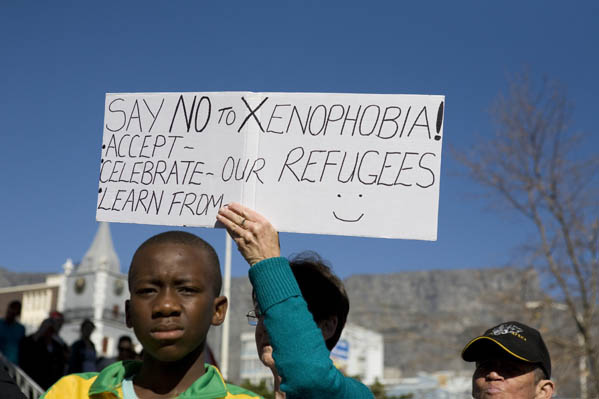
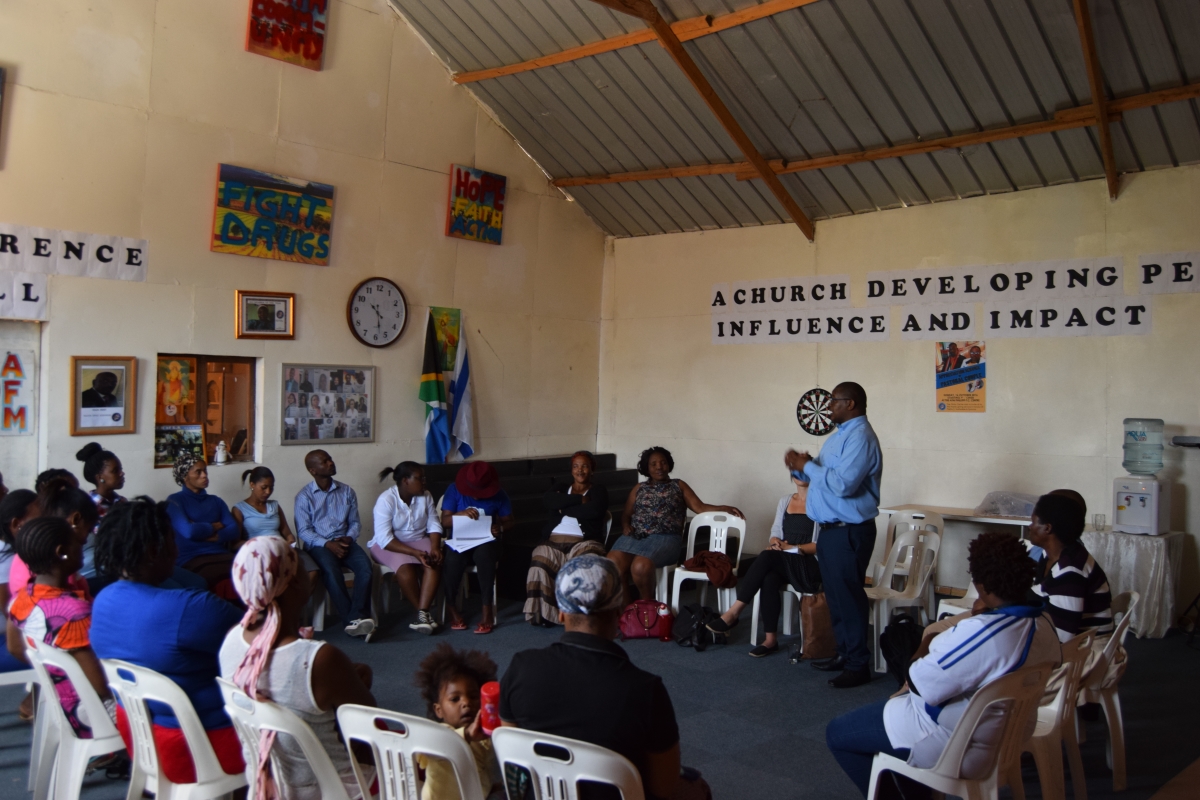
There have been diverse answers from the “civil society” to xenophobic violence since the end of Apartheid. Over the years, more and more “specialised” Non-Governmental Organisations - involved in international “policy networks” (Le Galès, 2004) and using organisation and intervention principles imported from abroad - have emerged. The presentation will question this “NGOisation” (Falquet, 2003) of the migrant cause and its effects. From January to December 2016, the presenter conducted a participant observation in a Capetonian NGO, “implementing partner” of the UNHCR tackling social cohesion issues between South Africans and nonnationals in underprivileged communities. Building on the data collected during this fieldwork, and on the results of a second participant observation started in January 2017 within a similar structure, the presentation will analyse the impact of these NGOs’ intermediary position between different social worlds (funders, South African state, South African and non-national communities, university, social movements, other NGOs, etc.) on the activists’ work and on their individual trajectories. It will posit that social cohesion public policies are the product of the aggregated actions of the different “street level bureaucrats” (Lipsky, 1980) acting within those NGOs who reify in their daily routines broader social structures. Hence, what is at stake here is not […]