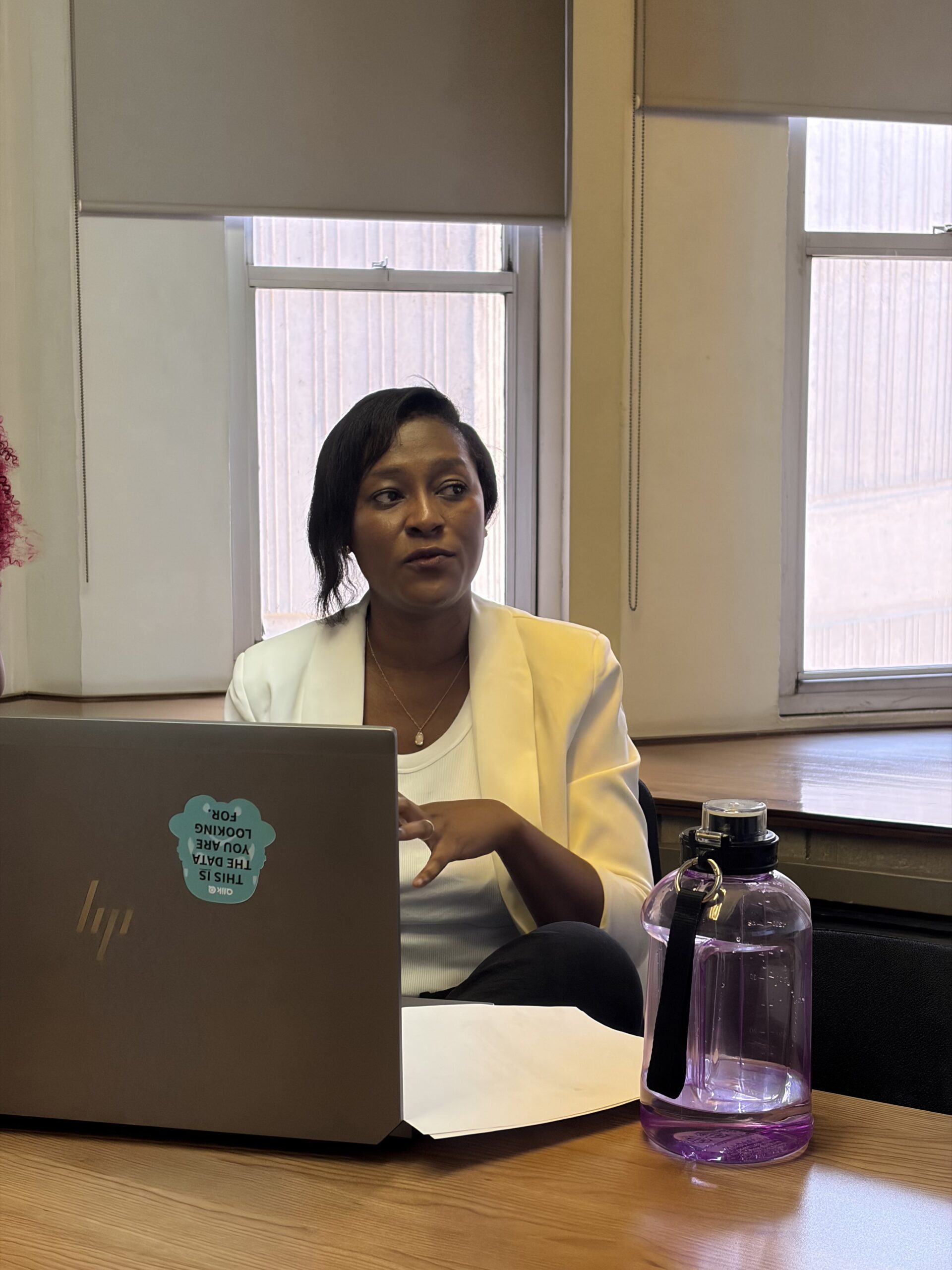
In a fascinating exploration of migration data and lived experience, Dr. Kabiri Bule, Dr. Sostina S. Matina, and Isabella Mockridge presented their findings on how we understand life in Musina, not just as a border town, but as a dynamic, lived reality.
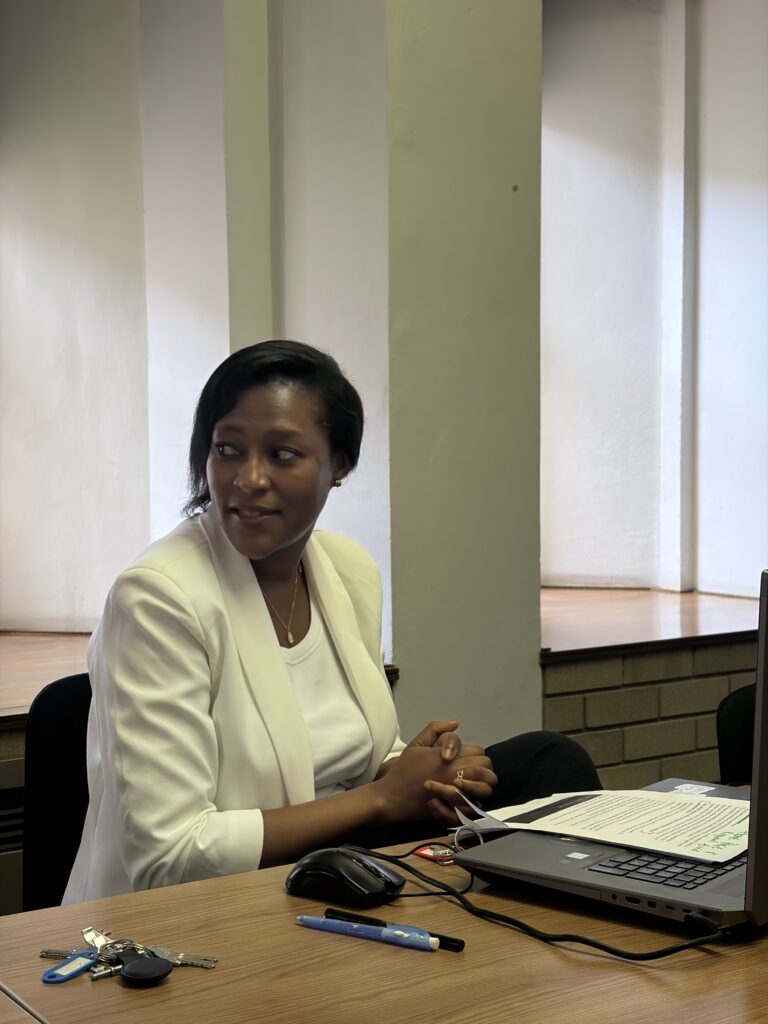
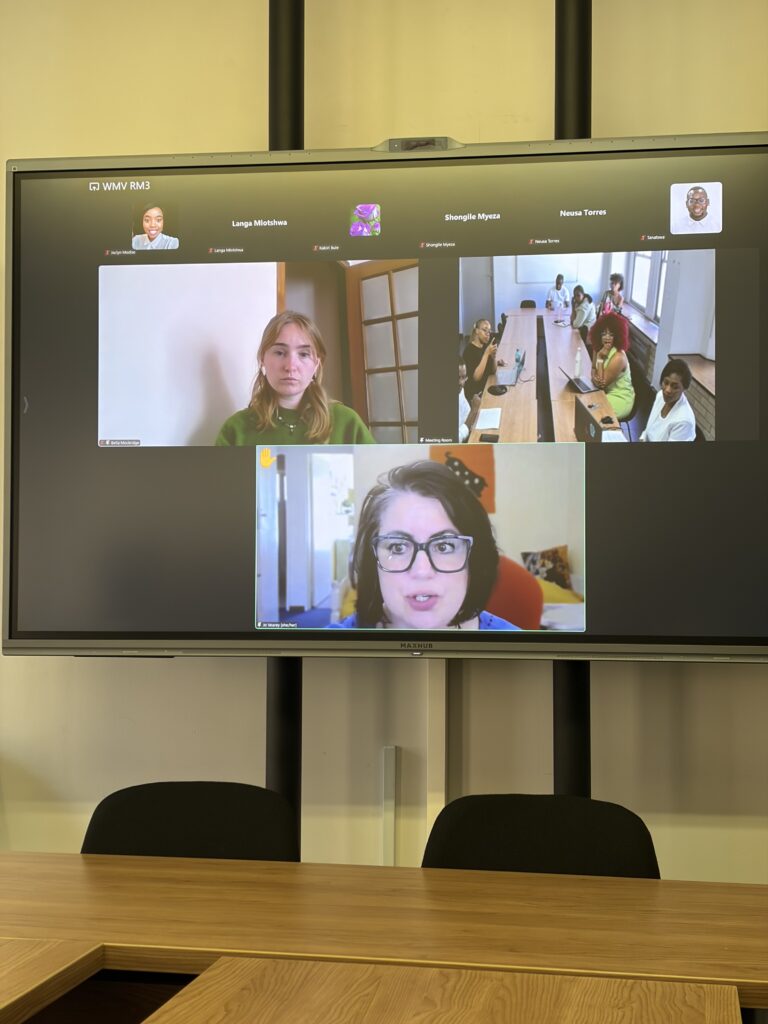
Chaired by Dr. Jean-Pierre Misago, with Prof. Jo Vearey as the respondent, the seminar explored what happens when we place survey data back into geographical context.
Key insights from the presenters:
- Dr. Kabiri Bule asked us to consider what we see when we examine evidence against lived experience, highlighting that Musina is more than a simple border crossing.
- Dr. Sostina S. Matina discussed how resources extend beyond conventional outlets. Schools and informal networks emerged as vital spaces for migrant wellbeing beyond healthcare, showing how participatory mapping can identify solutions rooted in people’s realities.
- Isabella Mockridge brought the data to life by sharing individual migrant journey stories and highlighting the outliers often ignored in broader datasets.
Reflections and Responses:
Prof. Jo Vearey provided a rich history of the GEMMS project, noting that the data captures far more than Musina, it beautifully reflects six separate wards with distinct contexts. She emphasised that migration is non-linear, stating: “It is important to make data available in different ways so that it is accessible. Not relying solely on place of birth, how long they have been in a place is key.” Dr. Jean-Pierre Misago asked an important methodological question: “If we were to summarise this mixed-method approach, what does it reveal about how other methods have missed?”
From the floor:
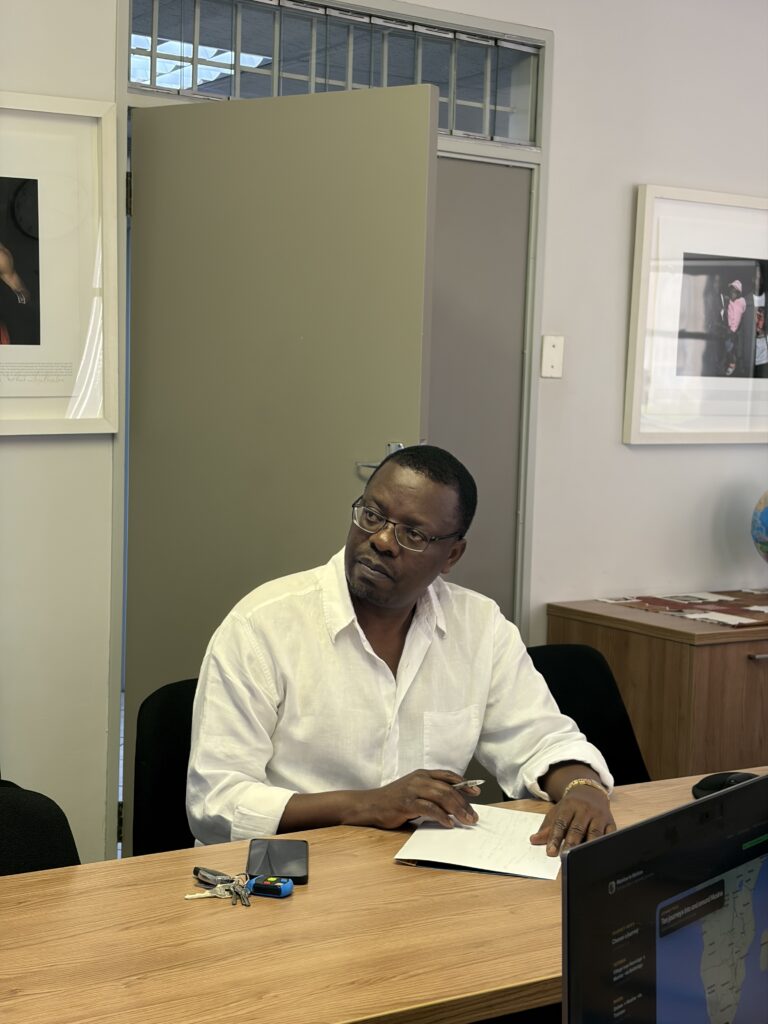
Participants grappled with the difficulty of defining who a migrant is, how spatial findings connect to stories of home and belonging, and the necessity of targeting audiences beyond academia, including government, NGOs, and policymakers.
Presenters responded:
They shared how they engaged stakeholders and local advisory groups in reviewing questionnaires to ensure the language was relevant to Musina. They also noted the challenge of follow-ups in a highly mobile community, and how internal migrants often did not identify as such, requiring researchers to explain the concept.
Read more about the project and explore the maps here: https://kabirib.github.io/musina-in-motion/
APPLICATIONS OPEN: Interested in pursuing this kind of research? Applications to study at ACMS close 30 November 2026. Learn more: https://migration.org.za/study/

The analysis presented in this paper was supported by the Gendered Violence and Poor Mental Health among Migrants in Precarious Situations Global Health Research Group (GEMMS). GEMMS is funded by the NIHR (NIHR Global Health Research; grant nihr134629) using UK aid from the UK Government to support global health research, awarded to the University of Essex, UK (lead organisation; PI: Prof Anuj Kapilashrami; Co-Director: Prof Jo Vearey, Wits University). The views expressed in this publication are those of the author(s) and not necessarily those of the NIHR or the UK government.
0 Comments