Moral B/orders & the Politics of Belonging
Gender and sexuality significantly shape migration by influencing who migrates, the reasons behind their movement, and the challenges they face during and after migration. While early migration studies largely centered on cisgender heterosexual men workers, feminist and queer studies have expanded the field by highlighting how diverse gender identities and sexualities intersect with class, race, and other social factors to shape migrants’ experiences. This research theme investigates the processes by which governments, and other institutions manage and control the diverse sexualities and gender identities of people who are migrating or moving, particularly through borders and beyond. It explores how norms, laws, and policies shape, restrict or sometimes enable the sexual and gendered lives of mobile populations. Research projects under this theme also study the ways in which migration, mobility and movement become sites where concepts of citizenship, belonging, and identity are contested and regulated through the lens of gender and sexuality.
Bringing together diverse theoretical, methodological and epistemological perspectives, this research theme also explores how gender and sexuality intersect with and potentially transform social, spatial and symbolic borders. By focusing on queer and trans displacement within the Global South – including movements on, from and to the African continent – this research theme counters the geographical and empirical orientation of existing scholarship, resulting in a more nuanced account of how, when, where and why LGBTQI persons migrate. Furthermore, this theme addresses how economic factors interact with migration and mobility to control sexual economies, such as in migrant/mobile sex work. It also engages with issues of violence on the move (e.g. human trafficking). Overall, this research theme serves as a critical framework for understanding how power operates to regulate gender and sexuality within migration contexts, and how it also affects migrants’ identities, relationships, and rights.
Key pieces of relevant research
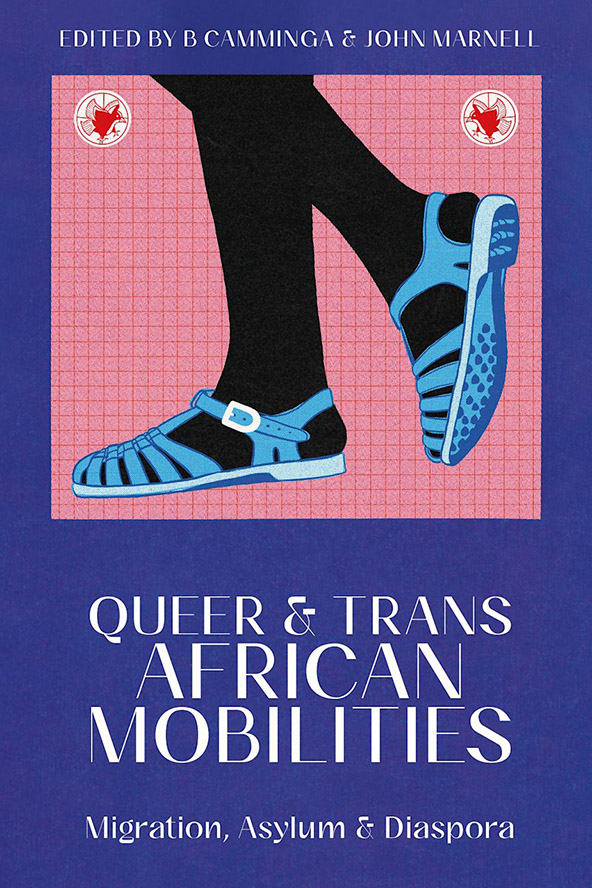
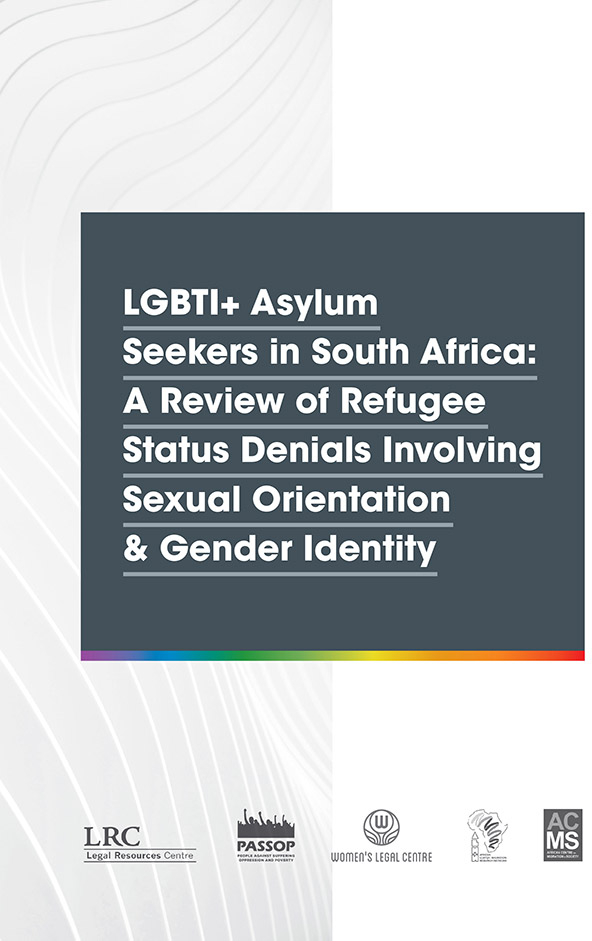

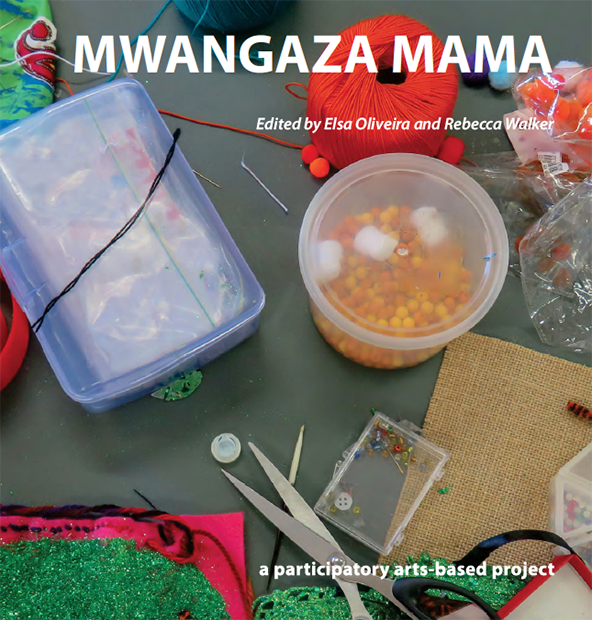
ACMS members working on this thematic

John Marnell

Ntokozo Yingwana
Networks

ALMN - African LGBTQI+ Migration Research Network
The African LGBTQI Migration Research Network (ALMN) aims to advance scholarship on LGBTQI+ migration on, from and to the African continent. bring together scholars, researchers, practitioners, activists and service providers to spark critical conversations, promote knowledge exchange, support evidence-based policy responses, and initiate effective and ethical collaborations.
ALMN - African LGBTQI+ Migration Research Network
The African LGBTQI Migration Research Network (ALMN) aims to advance scholarship on LGBTQI+ migration on, from and to the African continent. bring together scholars, researchers, practitioners, activists and service providers to spark critical conversations, promote knowledge exchange, support evidence-based policy responses, and initiate effective and ethical collaborations.
ALMN recognises that LGBTQI+ migration does not simply happen from the African continent, but also within and across (imposed) national borders. We are committed to both reorienting LGBTQI+ migration scholarship towards the Global South, and promoting knowledge produced within the Global South in order to challenge systemic inequality within the global academy.